

























































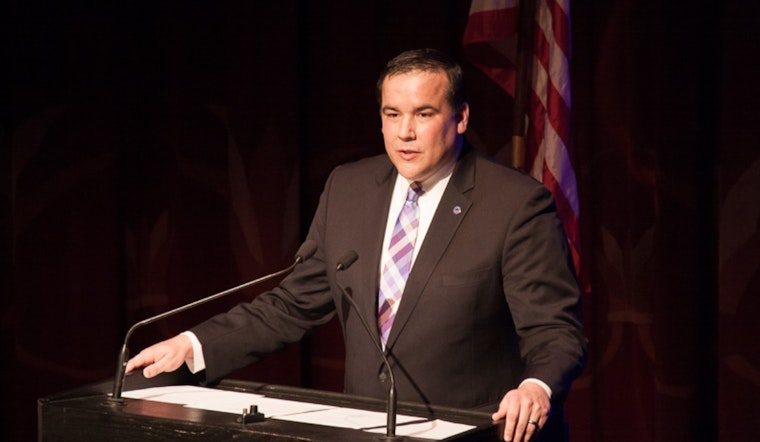
Mayor Andrew J. Ginther is moving to put nearly $3,000,000 in local funding behind keeping Columbus families in their homes, pitching a package city leaders say is designed to steady tenants before they slide into eviction or homelessness. The proposal focuses on boosting tenant legal representation, mediation services and safe housing options for residents who have to leave unsafe units, while shoring up the short‑term supports nonprofits already rely on to help people stay housed.
Per Mayor Andrew J. Ginther's post on Facebook, the new money would support the Resilient Housing Initiative and a network of organizations that provide legal counsel, mediation and paths back to stable housing for residents facing eviction. The mayor highlighted several partners that would help deliver those services, including Jewish Family Services, the Columbus Department of Development and Legal Aid of Southeast and Central Ohio (LASCO).
Where The Nearly $3M Is Headed
As outlined by the City of Columbus, the Resilient Housing Initiative uses local dollars for homelessness‑prevention services, access to legal counsel in eviction court and emergency rental assistance for low‑income households at risk of losing their homes. The initiative is folded into the mayor’s 2026 operating budget to replace expiring federal rental‑assistance programs and to build local capacity to prevent evictions.
Legal Backup And Support For Tenants
Ginther identified Jewish Family Services, the Columbus Department of Development and LASCO as primary partners tasked with delivering legal representation, mediation and relocation support for displaced residents. Those organizations already run eviction‑prevention and tenant‑advocacy programs, and the city says their work would grow under this latest allocation.
Why City Hall Is Moving Now
The local proposal arrives alongside bigger housing investments, including a voter‑approved $500 million affordable housing bond that the administration is preparing to roll out, according to the City of Columbus. Local reporting has also highlighted a city‑commissioned study by consulting firm Stout that estimated roughly $4 in avoided costs for every $1 spent on eviction prevention, a calculation officials cite when they argue for earlier intervention, according to WOSU Public Media.
How Residents Can Tap The Help
City Council previously signed off on a smaller allocation to expand the Resilient Housing Initiative’s hotline after officials reported that staff were fielding roughly 500 calls a day and had already enrolled more than 250 people. The call volume and the January vote to add capacity were reported by WCMH/NBC4 (via Yahoo).
Ginther has framed the latest funding push as part of a broader effort to keep Columbus residents stably housed as the city grows and housing costs climb. The immediate challenge for city officials and nonprofit partners will be to steer the dollars into legal help, mediation and emergency aid quickly enough to reach families before evictions are finalized.




