

























































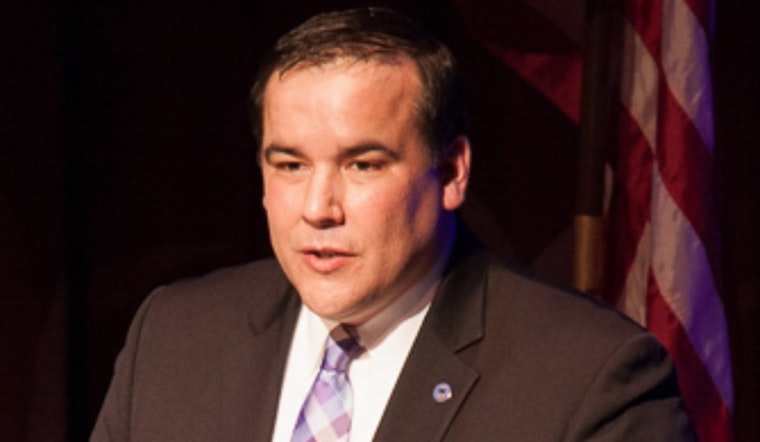
More than a year after Mayor Andrew Ginther unveiled a regional housing coalition to speed construction across central Ohio, the high profile effort has little to show on the ground. The group was pitched as a way to unite city, suburban and private partners to deliver tens of thousands of new homes, yet local officials say meetings and staffing have been thin. That sluggish start looms large as Columbus and its suburbs try to reach an ambitious 200,000 home target over the next decade.
Early Meetings Have Been Sparse
Suburban partners and some private sector backers have so far turned up only for scattered planning sessions, and the coalition has not yet hired staff or released a public work plan, according to The Columbus Dispatch. That slow rollout has left elected officials and housing advocates wondering when, exactly, the organization will move from talking about regional coordination to actually doing it.
How the Coalition Was Supposed to Work
Ginther first announced the Regional Housing Coalition at Reynoldsburg City Hall on Nov. 19, 2024, describing it as a nonprofit incubated to coordinate supply, affordability, equity and advocacy across jurisdictions, according to the City of Columbus. The city said the coalition would bring together municipalities, businesses and nonprofits to break down silos and speed development, and Ginther declared, “If you work in Central Ohio, you should be able to live in Central Ohio.”
Big Targets, Big Money on the Table
Ginther has repeatedly argued that the region needs 200,000 new homes over the next decade, and he pledged that Columbus alone would deliver about half of that total, roughly 100,000 homes, in his State of the City address, as published by Columbus Underground. City officials have pointed to voter approved housing bonds and zoning reforms as tools for that push. WOSU Public Media and city planning documents detail a $500 million affordable housing bond voters approved, along with earlier bond spending that has already funded thousands of units.
Why Progress Has Lagged
Regional housing efforts often bog down on staffing, zoning and money, and observers say building a true cross jurisdiction apparatus does not happen overnight. The coalition still needs a business plan, a staffing model and firm fundraising commitments before it can realistically accelerate projects across dozens of municipal governments, according to planning materials from MORPC. Until those basics are in place, the grand vision is mostly stuck on paper.
Suburbs and Developers Are Watching
Reynoldsburg Mayor Joe Begeny, who hosted the original announcement, said working together could “make a meaningful impact,” according to the City of Columbus. Some suburban leaders and county officials say they back regional coordination but are running into local hurdles on zoning and capacity, a tension regional planning materials have repeatedly highlighted.
What to Watch Next
The Dispatch reports that officials have not yet finalized a public business plan, staffing structure or fundraising commitments, and that the coalition’s next steps will be closely watched by mayors and developers alike. Advocates warn that if organizers do not spell out concrete milestones soon, the region’s 10 year housing pledge will be far tougher to hit.
Why It Matters for Columbus Housing
Planners and regional leaders say a housing supply shortfall has already pushed prices higher and threatens central Ohio’s affordability as jobs keep coming. How quickly the Regional Housing Coalition organizes, hires staff and secures resources will be a key test of whether Columbus and its suburbs can actually deliver the 200,000 homes they insist the region needs.



