

























































The flight map into Haiti is about to shift again, and Miami’s Haitian community is watching closely.
A diplomatic thaw between Haiti and the Dominican Republic could open a new corridor into northern Haiti as early as May 1. Officials in both capitals have agreed to resume formal talks and to partially reopen air links, offering a potential lifeline for travelers and aid groups while fighting and flight restrictions still hobble Port‑au‑Prince. The move follows high‑level meetings at the CODEVI industrial park along the shared border.
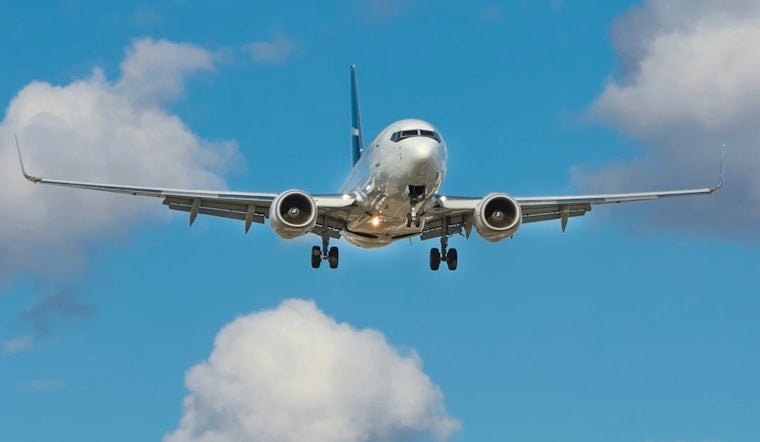
According to AP, the governments issued a joint statement saying they will reopen their airspace in May, clearing the way for connections between three Dominican airports and Cap‑Haïtien’s airport. AP reports the closure began in March 2024 amid escalating gang attacks and a diplomatic rupture over an irrigation canal, and that officials said the talks focused on border control, migration and trade.
Dominican reporting says commercial services are slated to resume on May 1 with initial routes linking Santo Domingo and Cap‑Haïtien. It is a cautious reopening aimed at restoring people‑to‑people and economic ties. El Caribe published a summary of the joint statement and of the April 17 meeting at CODEVI.
International institutions have welcomed the step while warning it is fragile. The Miami Herald reports United Nations officials and the U.S. embassy praised the thaw even as violence continues. The Herald also reports that a stray bullet struck a door at Toussaint Louverture International Airport on Monday and that Haitian carrier Sunrise Airways temporarily suspended flights to the capital after the incident.
FAA Ban Keeps U.S. Carriers Grounded
The U.S. Federal Aviation Administration is still blocking U.S. commercial landings at Port‑au‑Prince because of the risk posed by armed groups. AP reports the measure followed several incidents in which commercial jets were struck by gunfire. That restriction makes the Dominican reopening an important alternate pathway for American travelers, aid workers and cargo, even if it does nothing to erase the security dangers on the ground.
Economy and Jobs at the Center of Talks
Business leaders at CODEVI stressed economic recovery as a primary goal, pointing out that the park employs thousands of Haitians and relies heavily on U.S. trade access. The U.S. House recently approved a measure to extend the HOPE/HELP trade preferences for Haiti, according to a press release from Rep. Maria Salazar. The Miami Herald reports CODEVI’s owner urged that the program be made permanent in order to protect jobs.
What This Means for Miami's Haitian Community
For Miami’s large Haitian diaspora, the move could shorten travel times and ease family reunions by restoring air links through the north and reviving regional connections. Local and Haitian outlets are quick to note that service to Cap‑Haïtien is only a partial fix. Humanitarian groups and families will still face major hurdles if Port‑au‑Prince stays insecure and U.S. carriers remain restricted, as Zantray News reports.
Diplomats say the reopening follows months of quiet shuttle diplomacy and focused talks at the border, and that both sides plan to move carefully. Observers see the decision as a step toward normalizing relations, yet note that real change will depend on security improvements inside Haiti and on whether airlines and aid groups judge conditions safe enough to return, according to Anadolu Agency.


