

























































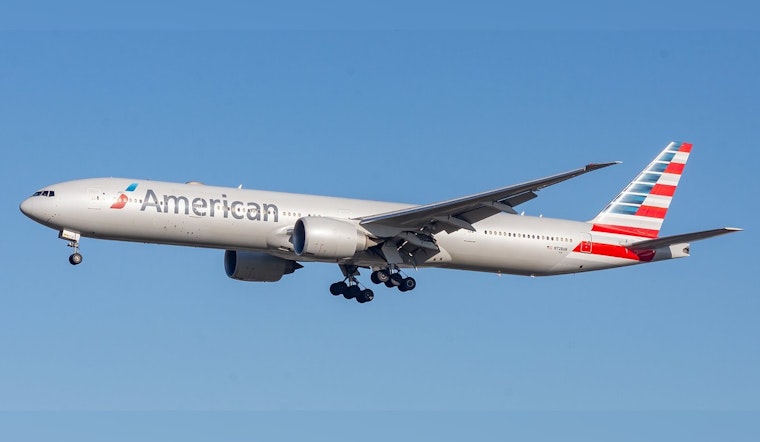
Alaska Airlines and American Airlines are quietly floating a plan that could rewrite how Seattle flies abroad. The two carriers are in early talks to deepen their West Coast alliance in a way that could pull Alaska into American’s long-haul joint ventures and expand nonstop links from Seattle to Europe and Asia. People briefed on the discussions say the focus is on revenue-sharing and other commercial cooperation, not a full-blown merger, which would change how seats are sold and how frequent flyers earn and burn miles on international trips.
As reported by Reuters, the talks center on letting Alaska participate in American’s existing transatlantic and transpacific joint businesses. The potential setup would feature revenue-sharing, coordinated schedules and tighter commercial alignment on long-haul routes. Separately, Bloomberg reported that a straightforward merger was floated at one point, although that idea did not move forward.
How a Joint Business Would Work
International joint business agreements allow airlines to coordinate schedules, set joint fares and share revenue on specific routes, so that from a customer’s perspective the flights are marketed metal-neutrally. According to an SEC filing, American’s current transatlantic and transpacific joint businesses use that model and typically require regulators to sign off before carriers can cooperate at that level.
Regulatory Hurdles and Precedent
Any expansion that involves revenue-sharing or joint commercial control would trigger a Department of Transportation review and could draw scrutiny from the Justice Department. That is not a hypothetical risk. In 2023, a federal judge ordered American and JetBlue to unwind their Northeast Alliance after the DOJ challenged it, as covered by CNBC. Court filings in that case cited the American–Alaska West Coast International Alliance as a narrower arrangement that regulators often hold up as a comparison point, according to Justia.
Why Seattle Matters
Alaska’s acquisition of Hawaiian Airlines brought in widebody aircraft, international route rights and long-haul operating experience that the company is already using to stretch its reach from Seattle. As noted in Alaska Air Group’s first-quarter results, the airline has rolled out new 787 international service, upgraded premium cabins and is folding Hawaiian’s network into its operations. Those long-haul assets are a key reason Alaska would be an attractive partner in any expanded joint business with American.
On the April earnings call, Alaska CEO Ben Minicucci said he was “super excited about our organic growth plan,” language the company used to describe its long-haul push. The remark, quoted in an Investing.com transcript, highlighted leadership’s intent to use new aircraft to funnel more traffic into international markets.
What Comes Next
For now, the talks remain early-stage and neither airline has announced any formal regulatory filings. If the carriers choose to proceed, they would likely need Department of Transportation approval and could face Justice Department oversight, with officials weighing whether the proposed coordination helps travelers or harms competition. Industry legal commentary and case law indicate the DOT has the statutory authority to grant immunity to international joint businesses and that courts look closely at deeply integrated arrangements. Any formal application or public comment period would spell out the scope of the plan, the timing and how much of Seattle’s international future might be tied to an Alaska–American partnership.





.jpg)