

























































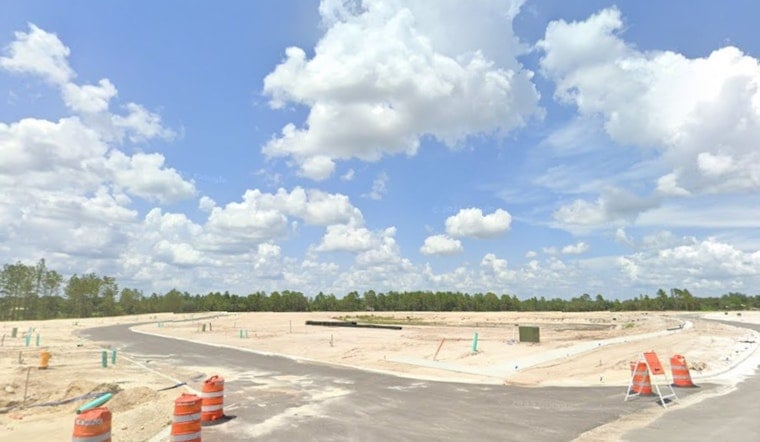
Hernando County is quietly turning into Tampa Bay’s bargain boomtown, as buyers priced out of Tampa look north and builders rush in to meet them. New master-planned communities and subdivisions now in the pipeline promise thousands of lots and starter homes in the low to mid $300,000s, a mix of scale and price that is getting harder to find closer to the city. Local officials and developers say the formula is straightforward: plenty of relatively affordable land, commuter access into Tampa and a toolkit of fees and incentives that help the numbers pencil out. For many buyers, a longer drive in exchange for a bigger house and a smaller mortgage is starting to feel like an easy call, and that tradeoff is reshaping the local market.
As reported by the Tampa Bay Business Journal, affordability has become the headline of Hernando’s growth story. The Business Journal notes that the pandemic-era push for more space helped trigger a residential building boom, with industry sources pointing to lower carrying costs for builders and steady buyer demand. According to officials and planners quoted by the paper, those ingredients have helped keep many new-home prices below what buyers see in core Tampa neighborhoods.
Sandal Key Becomes the Poster Child
Front and center in that boom is Sandal Key, a nearly 900-acre master-planned community slated for roughly 3,000 homes near U.S. 19 and Hexam Road in Weeki Wachee. Metro Development Group, which recently closed on the final phase of the land deal, says national builders D.R. Horton, Lennar and KB Home are on board for the project. In a release, the developer touted Sandal Key as bringing its “Metro Lagoon lifestyle” to Hernando County, built around a multi-acre lagoon, miles of trails and resort-style amenities.
Fees, Exemptions and the Cost Math
Hernando County’s Building Division updated its impact-fee schedule in late 2024, but county documents also outline fee-reduction options and a savings clause that can trim upfront expenses for builders. The county’s published fee pages describe discounts for private-provider plan review and inspections that, in some cases, cut residential review fees by roughly 35 to 45 percent, along with an exemption process for contracts executed before the new rates took effect. Builders say that mix of policy tools and negotiated credits is a major reason they can keep entry-level prices competitive and deliver homes at price points below regional medians.
Market Numbers Behind the Push
Market data help explain why Hernando is drawing attention. Realtor.com shows Hernando County’s median home price at about $349,900 as of early 2026, while statewide figures from Florida Realtors put the median single-family sale price around $405,000 in January 2026. That gap gives Hernando a clear edge for buyers willing to swap some drive time for more square footage, and new-build listings in the area frequently advertise base prices in the low to mid $300,000s.
Infrastructure and Schools Are the Next Test
Rapid growth, of course, comes with its own set of headaches. Local reporting has chronicled public debate over updated impact fees and how to pay for the roads, parks and classrooms that new communities will need. The Hernando Sun has outlined school impact-fee studies and county commission discussions that highlight tension between encouraging development and funding the services that follow. Developers argue that phased construction and existing fee programs let them match building pace to available capacity, while elected officials and residents are pressing for clearer, long-range infrastructure planning.
For buyers, the near-term takeaway is straightforward: Hernando County is delivering both volume and value, and large projects like Sandal Key are central to that push. Community materials and builder listings show many new homes marketed in the low to mid $300,000s, reinforcing the idea that Hernando offers a cheaper entry into the Tampa Bay market. Whether that affordability edge holds will depend on how well the county links all that new housing to investments in schools, roads and utilities.





