

























































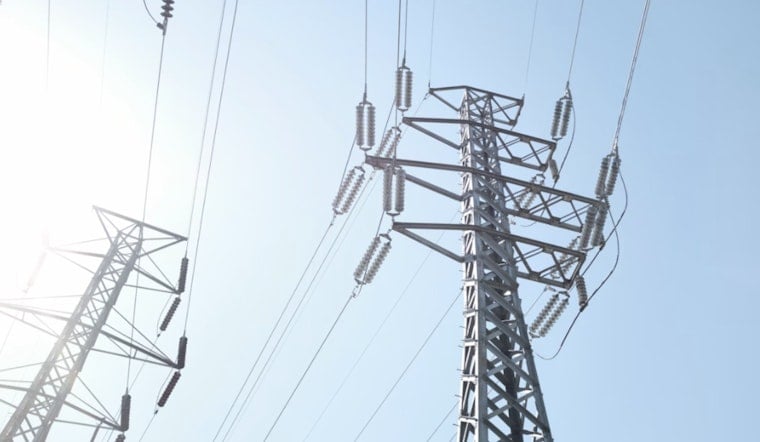
CenterPoint Energy’s push to build a new substation and roughly five miles of high-voltage transmission line near Hockley has landed squarely on one of the region’s most prized prairies. Conservation advocates say several of the company’s potential routes slice through Warren Ranch, a multi-thousand-acre property conserved by the Coastal Prairie Conservancy and the Warren family, and warn that the project could damage habitat, undercut recreation and weaken natural flood storage.
Conservancy zeroes in on three risky route segments
The Coastal Prairie Conservancy is urging residents to push back on portions of CenterPoint’s Becker 345 kV proposal. The group says the utility is weighing 19 possible route segments and that Segments 5, 15 and 17 would run through or along conserved parts of Warren Ranch. According to the conservancy, those links could carve up wetlands, break up wildlife corridors and require long-term clearing of native vegetation, concerns that have already surfaced in public coverage of the fight, according to the Houston Chronicle.
CenterPoint pitches growth, reliability and storm hardening
CenterPoint describes the Hockley Transmission Improvements as a response to growing electricity demand, long-term grid reliability needs and the ever-present threat of severe storms. In its project summary, the company outlines about five miles of new transmission line, a substation designed to withstand hurricane-force winds up to 140 mph and a projected bump of roughly $400,000 a year in local property tax revenue, according to CenterPoint Energy.
Why Warren Ranch is not just open space
Warren Ranch is a roughly 6,000-acre working ranch and protected tract within the broader Katy Prairie system. The Coastal Prairie Conservancy says lands like this pull a lot of weight for the region, providing flood mitigation, water storage, agricultural production and key migratory-bird habitat along the Central Flyway, along with public recreation at spots such as the Matt Cook viewing platform. The group notes it now protects more than 33,600 acres across southeast Texas and argues those public benefits should carry real weight when routes are picked, according to the Coastal Prairie Conservancy.
What comes next with state regulators
CenterPoint says it has already met directly with the conservancy in early planning and is coordinating with federal, state and local agencies while it sorts through route options. The company plans to file a formal application with the Public Utility Commission of Texas later this summer, a move that will start the PUC’s public review and approval process. The commission’s transmission-line guidance explains how landowners can file protests or seek to intervene in a Certificate of Convenience and Necessity case, and notes that regulators ultimately sign off on a route only after weighing engineering, costs and community-value factors, according to the Public Utility Commission of Texas.
The local fault line: grid upgrades vs. conserved land
The clash over Warren Ranch highlights a familiar tension in fast-growing Texas communities, with utilities and new customers calling for more capacity and resilience while conservation groups try to shield land set aside for public and ecological benefits. The Coastal Prairie Conservancy has urged regulators and residents to push for alternative routes, including alignments outside conserved areas or a no-build choice for the segments that threaten Warren Ranch, while CenterPoint says community feedback will influence the final path it submits to state regulators.




