

























































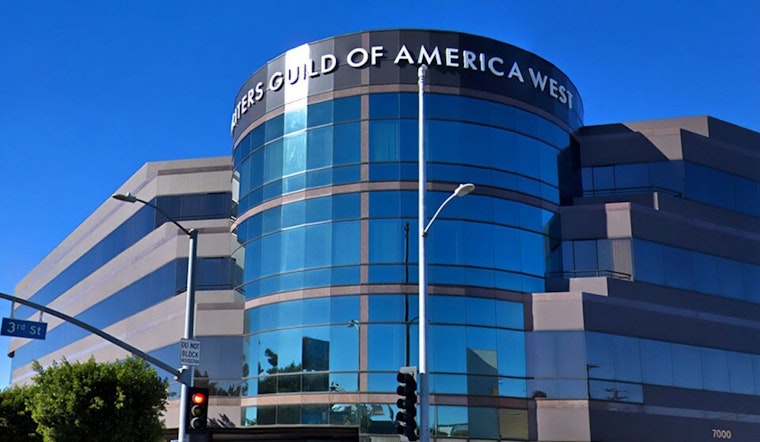
The Writers Guild of America has reached a tentative four-year agreement with major studios and streamers that would raise pay for streaming work, bolster the union’s strained health and pension funds, and place new limits on how writers’ work can be licensed for AI training. The outline of the pact surfaced late Saturday in industry reports and from union sources, but the contract remains tentative and must be ratified by members before it becomes official. If approved, the deal would stretch the guild’s usual three-year cycle to four and lower the near-term risk of another industry work stoppage. The framework suggests both sides managed to close the gap on the flashpoints behind the 2023 shutdowns: streaming residuals and AI protections.
Initial details emerged in the Los Angeles Times and from industry reporter Matt Belloni, with coverage noting the agreement includes increases for the health plan and pension, higher streaming pay, and guardrails around AI licensing. As reported by the Los Angeles Times, negotiations between the union and the studios began in March and moved faster than many observers expected.
What’s in the deal
According to TheWrap, the tentative agreement includes a multimillion-dollar contribution to shore up the WGA health plan, increases in pension contributions, higher compensation for subscription streaming projects, and contract language meant to police the licensing of writers’ work for AI training. TheWrap reports the term would run four years, one year longer than the guild’s customary three-year Minimum Basic Agreement, and that the overall package hits the priorities WGA negotiators laid out before talks began.
What happens next
If the WGA’s negotiating committee and national board sign off on the text, the proposed agreement will be sent to members for a ratification vote, and only a successful member vote will make the contract binding. The Los Angeles Times notes that the guild’s current contract is set to expire on May 1, 2026, and that the Writers Guild of America West staff union has been on strike since mid-February, a complication that could slow the usual member outreach and town hall process.
Why this matters beyond writers’ rooms
The first union to settle in a bargaining cycle often sets a pattern that other guilds can point to at the table, so a WGA deal could shape the terms that performers and directors see later this spring and summer. As reported by The Hollywood Reporter, SAG-AFTRA and the DGA both face contract deadlines on June 30, 2026, and each will be watching residual, streaming, and AI language closely when their own negotiations begin.
Local ripple effects
For Los Angeles, where much of U.S. TV and film writing is concentrated, a tentative deal eases the immediate economic threat to writers, crews, and the many local businesses that support production. Studios, crews, and vendors that felt the fallout from the 2023 shutdown would likely welcome the stability if the agreement holds and other unions follow its pattern.
Union leaders are expected to brief members and set a ratification timetable in the coming days. Until then, the terms remain tentative, and Hollywood will be watching closely to see whether this pact shapes the next round of talks with actors and directors.





