

























































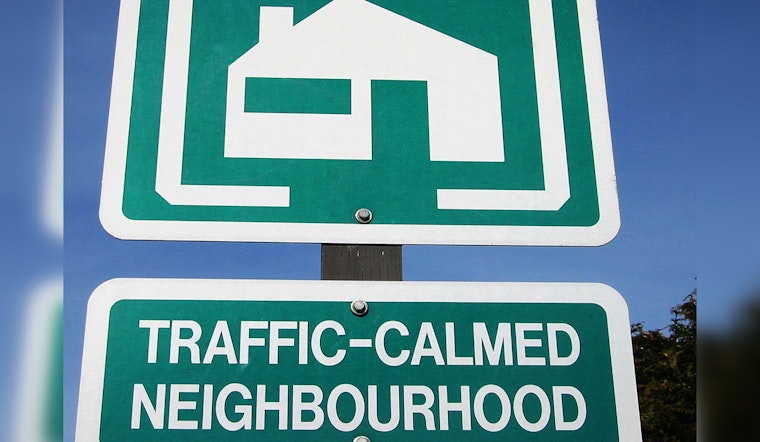
Houston drivers who treat quiet neighborhood streets like mini freeways are about to hit a bump in the road. On Tuesday, Houston City Council advanced a large batch of neighborhood traffic-safety projects, moving a package of speed cushions and other calming tools through the approval process. The goal is straightforward: slow cars on residential blocks, cut down on cut-through speeding and make streets less stressful for people walking and biking. City officials and neighborhood leaders say the upgrades are part of a wider push to tackle traffic risk one block at a time.
The move, as reported by KHOU, nudges roughly 60 neighborhood speed-cushion projects closer to installation. Council members voted during a regular meeting to advance the measures and directed Houston Public Works to wrap up scheduling and public notices ahead of construction.
How Speed Cushions Work
Speed cushions are raised devices installed in travel lanes to slow cars while letting wider-wheelbase emergency vehicles straddle the gaps, according to Houston Public Works. Houston's NTMP materials say cushions typically cut average speeds by about 20%, such as a drop from roughly 35.9 mph to 26.9 mph. Each project requires a 14-day public comment period and Houston Fire Department sign-off before plans ever reach City Council. The NTMP also lays out rules for spacing and notes that cushions can be rubber or asphalt depending on the specific site.
Where They'll Go And What They Cost
The package covers study areas in multiple council districts and, per KHOU, represents the city finishing out about 60 speed-cushion projects that have completed the NTMP process. The council's push builds on an earlier effort to streamline installations after neighborhood requests sometimes ballooned project scopes. A plan for five cushions around Sutton Elementary, for instance, started at about $25,000 but climbed to roughly $100,000 when residents asked for more devices, according to The Houston Chronicle. For bigger-picture corridor fixes, the city is also chasing federal Highway Safety Improvement Program money through a roughly $9.6 million TxDOT grant application, as reported by Community Impact.
What Residents Should Expect
Neighbors in proposed project areas will receive mailed notices and get 14 days to weigh in. They can also request a public meeting while Houston Public Works develops a concept plan, according to Houston Public Works. After the comment window closes, the department reviews feedback, collects speed and volume data if needed and then sends recommended plans to City Council for a final thumbs-up or thumbs-down. If a plan is rejected, applicants must wait three years before submitting a new request for the same area, so anyone with strong feelings about those cushions will want to speak up during the comment period.
Council member Edward Pollard, a key backer of efforts to simplify the speed-cushion process, told The Houston Chronicle that he was "happy to see that we finally got it on the agenda." Pollard and other council members say the installations are a direct response to neighborhood safety complaints and can be covered by district service funds when needed.





