

























































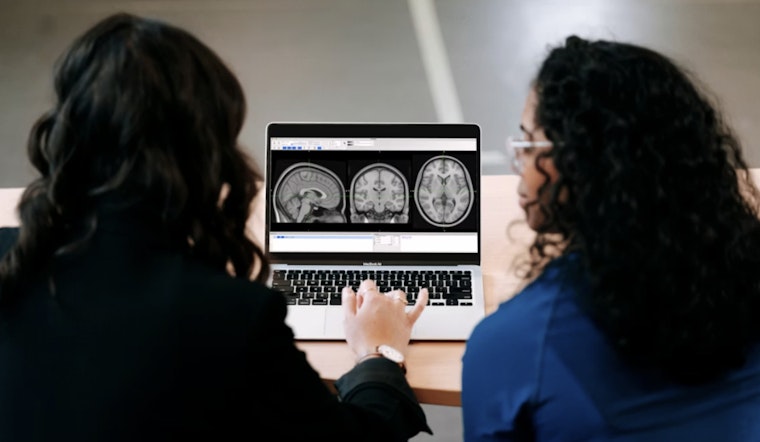
UTHealth Houston researchers followed 630 people who were hospitalized with COVID‑19 and tracked how their thinking skills held up over three years. They found four clear recovery patterns. Nearly half of the group stayed cognitively normal the whole time, but a small slice of patients who started out looking fine on testing went on to decline later. That late slide is what has local doctors asking how long survivors should be checked in clinics and primary care offices.
According to a press release via Business Wire, the peer‑reviewed paper, published online April 7 in The Journal of Neuropsychiatry and Clinical Neurosciences, used the BrainCheck digital assessment to measure attention, cognitive flexibility, processing speed and memory over a 36‑month follow‑up. The release notes that researchers enrolled 630 hospitalized patients and highlights that remote, repeatable testing is what made long‑term surveillance realistic.
Four Distinct Cognitive Paths
As detailed by BrainCheck, the team sorted participants into four trajectories: 48% (N=103) with consistently normal cognition, 32% (N=68) with persistent impairment, 14% (N=29) who improved from impaired to unimpaired, and 7% (N=14) who developed delayed decline. The N values add up to 214, which shows that this trajectory analysis relied on the subset of patients who had enough follow‑up data, not the full group of 630 who were initially enrolled.
Why Delayed Decline Matters
"The fact that a subset of patients showed no impairment early on but declined later is a compelling argument for ongoing longitudinal monitoring," Mary Patterson, vice president of clinical operations at BrainCheck, wrote in a post for BrainCheck. The authors suggest that lingering inflammation and similar mechanisms could be driving these late‑emerging cognitive problems, which means a normal result at three months may be comforting, but it is not a long‑term guarantee.
What Clinicians and Patients Should Watch For
The company notes that BrainCheck Assess is an FDA Class II digital cognitive assessment and that the platform is in use at dozens of research hospitals and more than 500 healthcare organizations, according to the press release. The authors argue that because the testing can be done remotely and repeated over time, health systems have a realistic way to regularly screen large numbers of post‑COVID patients without swamping already busy specialty clinics.
How This Fits With Other Research
Experts say the paper lines up with a broader, mixed picture of long‑term brain effects after COVID. A review in The BMJ documents that some patients continue to report cognitive complaints and show objective changes, while others steadily improve, with recovery paths all over the map. That variability, the review notes, underscores the need for more studies that can pin down who is most at risk and why.
For people in Houston who were sick enough with COVID to land in the hospital, this new study offers a measured warning. Early normal test results are encouraging, but they may not be the final word on how the brain will be doing a few years down the line.





