

























































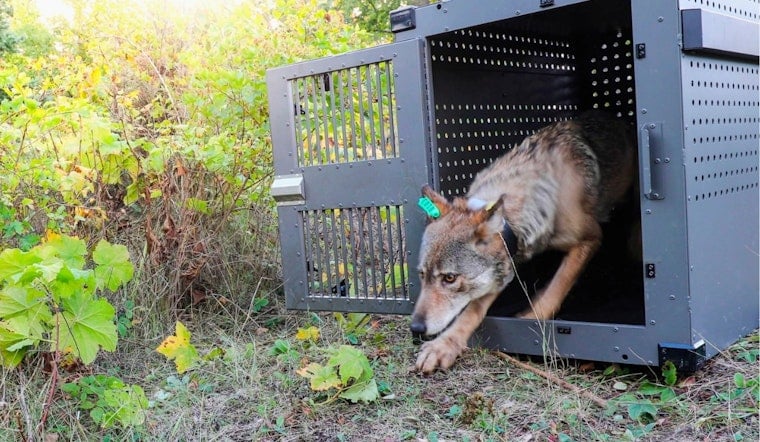
After a winter of bone-numbing flights in subzero winds, researchers say Isle Royale's wolves are back in a big way, and the island's moose are taking the hit. The latest winter survey found wolf packs larger and tighter-knit than they have been in decades, while moose numbers have crashed and biologists did not spot a single calf. That one-two punch has scientists watching closely to see whether heavy predation will push the long-running predator-prey saga on this remote Lake Superior island into a new balance.
According to The Associated Press, the winter study conducted from Jan. 22 through March 3 estimated Isle Royale's wolf population at 37 and the moose population at about 524. That moose total is roughly 75% lower than a 2019 peak near 2,000, and researchers estimate wolves likely killed nearly a quarter of the herd over the past year. The AP also reports that, for the first time in almost 70 years of surveys, observers saw no moose calves during the winter count.
Decades of data make this unusual
The Wolf‑Moose Project has tracked wolves and moose on Isle Royale since 1958, building a rare long-term record that helps scientists judge whether this winter's numbers are a short-term swing or the start of something bigger. The project mixes aerial transects, carcass surveys, and volunteer Moosewatch expeditions to log births, deaths, and predation. Because that dataset stretches across generations of wolves, moose, and researchers, it lets ecologists separate normal ups and downs from shifts that could permanently reshape the island's forests and wildlife.
Sarah Hoy, a Michigan Tech researcher who co-led the survey, told The Associated Press that teams faced wind chills near minus 50°F and used the clear winter skies to spot wolves on all but one flight. Hoy said observers watched everything from courtship behavior to pups playing, the kind of pack dynamics that point to a healthy social structure among the wolves. Michigan Technological University is now lining up summer field crews and Moosewatch volunteers to dig deeper into what this winter revealed.
Why ecologists are paying attention
Wolves are the island's only major predator of moose, so when wolf numbers climb, and new calves are missing, pressure on the moose population can change fast, along with the way moose browse trees and shrubs. The National Park Service brought in wolves during 2018 and 2019 to restore predation after an earlier wolf collapse, and managers have kept a close eye on how predation, disease, and climate interact. Modeling work in Frontiers in Ecology and Evolution suggests that strong wolf predation can help forests recover from heavy moose browsing, but climate-driven shifts in forage and tree species make the long-term picture anything but simple.
What's next this summer
Researchers on the ground this summer will be crucial for figuring out whether the missing calves were just a one-year oddity or an early warning sign of deeper reproductive trouble tied to ticks, poor nutrition, or other stress. Michigan Technological University and the Wolf‑Moose Project are recruiting Moosewatch volunteers and planning focused studies aimed at teasing apart the roles of predation, disease, and climate. Until that follow-up work is in hand, scientists say it is too soon to know whether Isle Royale is settling into a new predator-driven balance or gearing up for another swing back toward moose dominance.




