

























































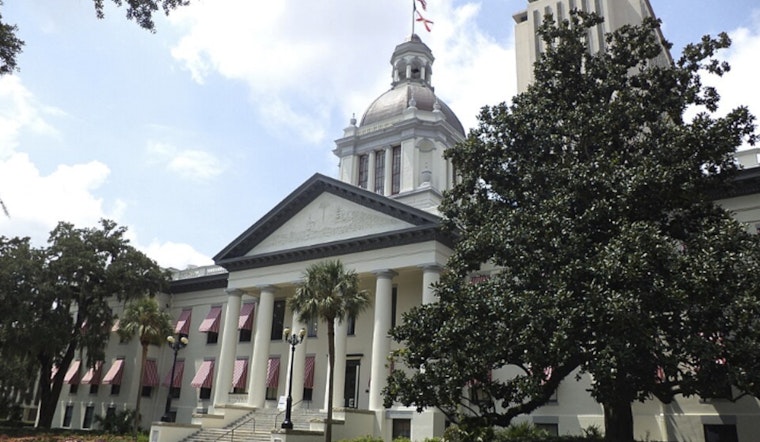
A quiet tweak to state law is about to put some very visible Jacksonville properties in play for affordable housing, opening up church campuses and government-owned land across Duval County for new apartments near jobs and transit. City planners and housing advocates say the change, part of post-2023 amendments to Florida’s Live Local framework, broadens which parcels qualify and could finally bring lower-cost rentals into neighborhoods that have not seen many.
As reported by the Jacksonville Business Journal, the latest update makes government- and religious-owned land eligible to pursue Live Local approvals in Duval County. Local developers told reporter Leah Foreman that the shift could unlock underused municipal lots and underbuilt faith campuses. Her coverage notes that city officials and housing advocates are already mapping which public parcels might qualify and weighing how the rule change could reshape project finances, positioning the tweak as a practical way to add units without going through traditional rezoning fights.
What the statute allows
Under current state law, there are now two main tracks for Live Local housing projects. One lets parcels owned by religious institutions that contain a house of public worship move forward with housing so long as at least 10 percent of units are reserved as affordable. The other, the broader Live Local land-use mandate for commercial, industrial or mixed-use sites, still requires that 40 percent of residential units be affordable for at least 30 years. Those requirements are laid out in state statute, according to the Florida Senate.
Locally, Jacksonville runs its own Live Local application process, complete with forms, a review timeline and staff contacts for would-be applicants, as described by the City of Jacksonville. The city’s guidance reiterates the 40 percent affordability threshold and spells out the administrative review steps for qualifying developments, including required attachments and which staffers handle submissions.
Residents can already see how the tool is being used. The Jax Daily Record has chronicled Live Local projects such as Egret Landing and Sandhill Villas, while a resolution from the Downtown Investment Authority shows city-owned lots being lined up for a proposed affordable development in the urban core.
How this could play out in Duval
Because the 2025 amendments clarified key definitions and administrative review rules, developers and housing advocates argue that projects on church land or public parcels could now move through permitting more quickly and with fewer discretionary hearings. The 2025 package, signed into law in June 2025 and effective July 1, 2025, also tucked in some technical adjustments, including parking reductions near transit and tighter limits on extra local conditions placed on qualifying projects, according to an analysis by Holland & Knight.
Legal and political implications
The law trims local control by limiting additional zoning conditions for qualifying developments and by requiring administrative approvals when projects meet the statutory checklist. That faster, box-checking approach can squeeze the window for neighborhood input and public debate.
Policy write-ups and advocacy groups also point out that the update creates new paths to challenge denials and sets up expedited remedies for applicants who argue a locality has improperly blocked a Live Local proposal, a shift outlined by the Florida Housing Coalition.
What to watch next: Jacksonville planning staff will be the first stop for applications under these broader rules, and both the city and the Downtown Investment Authority are likely to take the lead in deciding how any public land is offered up. Developers, nonprofits and neighborhood groups are being pointed back to the city’s Live Local guidance and urged to talk with planning staff about requirements, timelines and how projects on church or city land might actually play out on the ground.



