

























































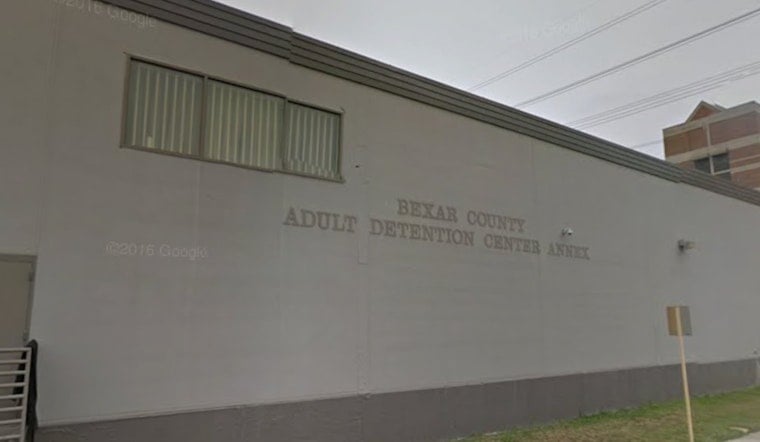
Dozens of freshly opened treatment beds at the Applewhite Recovery Center are sitting empty while people who qualify for them stay in the Bexar County jail, all because psychiatric medications are not getting transferred fast enough, county leaders say. Roughly 100 people in the lockup could be in residential treatment on the South Side instead, if their prescriptions followed them out the jail door.
Jarvis Anderson, the county’s chief probation officer, told commissioners that the local mental health authority does not have enough money to buy or move prescriptions when probationers leave jail, pegging the shortfall at about $500,000. "It’s immoral to ask them to wait in the facility without medications," Anderson said, according to the San Antonio Express-News. Without prescriptions in place, officials said, inmates cannot be transferred even when a bed is sitting open and ready.
Expansion Was Meant To Reduce Crowding
The Applewhite campus was expanded last fall in a multimillion-dollar project that county leaders sold as a key way to ease jail overcrowding and add residential treatment slots for people on probation. County and local reporting noted that the addition was designed to strengthen the dual-diagnosis program and was funded in part with federal pandemic relief dollars, according to the San Antonio Report. The idea was simple on paper: build more space, move more people out of cells and into care.
How Medication Transfers Are Supposed To Work
Applewhite’s residential programs include medication management as part of clinical care, county documents show, with clinicians expected to coordinate prescriptions when someone moves from the jail into treatment. Facility materials from the Bexar County CSCD spell out that Applewhite provides medication management and nursing services, while University Health, which runs detention health services inside the Bexar County Adult Detention Center, is responsible for behavioral health clinical care for people who have been stabilized in custody. In theory, that handoff is meant to be seamless. In practice, it is where the system is breaking down.
County Scrambles For A Short-Term Fix
County staff told the commissioners court that the gap could be closed quickly if the cash were available. Deputy County Manager Thomas Guevara floated one immediate lifeline: tapping Bexar County’s share of opioid settlement money to cover medication costs in the short term. Commissioners said the problem blindsided them and directed staff to come back with options to plug the funding hole, according to the San Antonio Express-News.
Why It Matters For The Jail And Diversion Plans
The timing is awkward. The medication bottleneck is hitting just as local leaders are pushing new diversion strategies to keep people with mental illness out of jail, and as San Antonio and county agencies study a potential diversion and recovery center that would steer low-level offenders into care instead of cells. The city voted this winter to help fund a feasibility study for that center, and local reporting has tied the project to the same capacity and continuity-of-care problems that are now stopping transfers to Applewhite, per coverage by KSAT and the San Antonio Report.
For now, advocates and officials say the situation is a textbook example of how funding gaps and clunky logistics can turn badly needed treatment capacity into rows of empty beds and leave people in jail instead of in rehab. Commissioners have asked staff to map out quick funding fixes and longer-term solutions to guarantee medication continuity so the county can finally use Applewhite the way it was intended.





