

























































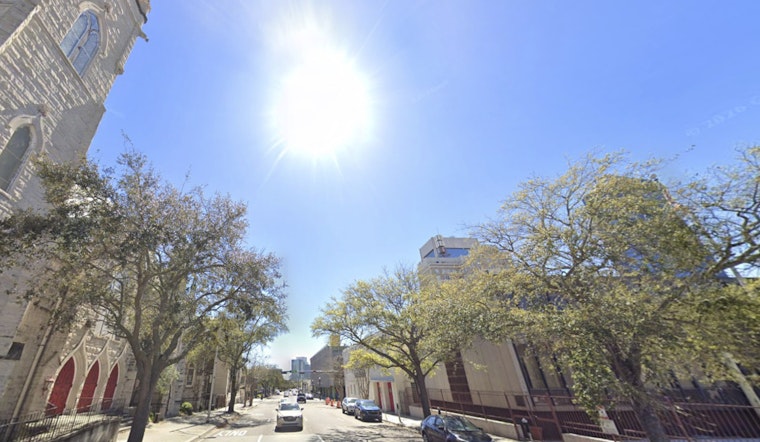
Wednesday, April 15, started out on a mellow note for Jacksonville, with mostly clear skies, cool coastal air and temperatures in the mid 60s along the beaches, while inland spots woke up warmer. Sunny, dry weather is expected to rule through midweek, with highs near 85°F at the coast and climbing into the mid 80s to low 90s inland as the week goes on. Patchy morning fog is on the table through Friday, so early drivers may want to budget a little extra commute time.
Afternoon Heat And Record Watch
High pressure will keep things dry on Thursday, April 16, and Friday, April 17, and will help push inland highs into the upper 80s, then into the low 90s by Friday and Saturday, April 18. Some inland neighborhoods could flirt with, or even break, daily high temperature records. Southeast to south winds should run about 3-14 mph, with afternoon gusts up to roughly 21 mph, according to the local forecast discussion from NWS Jacksonville.
Foggy Mornings And Fire Risk
Calm, humid nights will help patchy and locally dense fog develop inland each morning through Friday, with the thickest fog most likely just west of I-95. The same forecast discussion flags “extreme to exceptional” drought in parts of the region and critically low afternoon humidity inland, a combination that will keep wildfire danger elevated through the week.
Beaches, Winds And Rip Currents
Onshore breezes and 2-3 foot surf are creating a Moderate rip current risk at local beaches, so swimmers are urged to stick to lifeguarded areas and follow posted flags. Small boats and kayaks should also be ready for choppy water during the gusty afternoon hours. For lifeguard postings and earlier coverage, see Jax wakes up in a haze.
Plan Ahead
For outdoor plans this weekend, mornings and the immediate coast will be the coolest bets, while inland afternoons will bring the most intense heat. Keep water handy, watch for patchy fog on early drives and check in with local forecasters before heading out, since both conditions and fire-weather messaging can shift quickly.




