

























































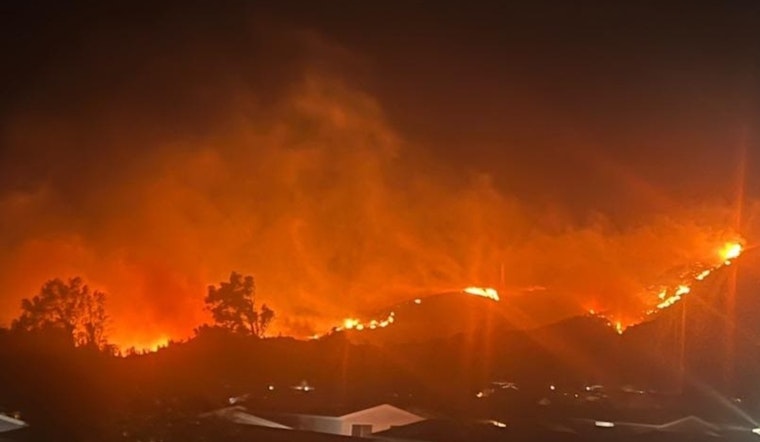
New UCLA-led research finds the January 2025 Los Angeles wildfires did far more than chew through hillside homes. For people already living on the streets, the fires stacked crisis on top of crisis, with unhoused Angelenos reporting injuries, smoke-triggered breathing problems, lost medications and IDs, and even tougher odds of finding shelter in the weeks that followed.
Research Traces Wildfire Damage Straight to the Streets
Four newly published studies led by UCLA and partner institutions draw a clear line between the January 2025 blazes and worsening housing instability and health harms for unhoused residents, as reported by the Los Angeles Times. Those fires left roughly 200,000 people without homes. Co-author Randall Kuhn of UCLA told the paper that “homelessness is both a disaster in itself,” and that mass evacuations and thick smoke left people without tents, medicines, and critical connections to care.
Nationwide Numbers Link Burned Homes to Rising Homelessness
A national analysis published April 6 in JAMA Network Open finds that climate-related property loss is a measurable driver of homelessness. The researchers estimated that for every home-equivalent lost per 10,000 residents, homelessness rose by roughly one percentage point. The same team concluded that pandemic-era eviction protections helped soften what would otherwise have been even larger spikes in homelessness, a result they say should directly inform disaster and housing policy.
Rapid Street Survey Shows Fire’s Immediate Toll
The PATHS rapid-response survey of unhoused Angelenos, carried out one week after the worst of the January fires, captured how quickly the damage piled up. According to the PATHS report, 70% of respondents said they experienced at least one type of harm or disruption tied to the fires. Just over half, 51%, said they felt their lives were in danger, and 43% reported worsened respiratory symptoms in the aftermath.
The survey also documents widespread losses of tents and personal possessions, accounts of people forced to walk long distances through smoke or evacuate quickly, and a stark pattern in which those sleeping fully unsheltered faced the most intense smoke and fire exposures.
Sweeps and Constant Displacement Shred Health and Trust
A separate paper in Social Science & Medicine finds that encampment sweeps and frequent displacement are tied to poorer physical and psychological health for people experiencing homelessness. Researchers and service providers say that every forced move risks costing people medications, vital documents and the fragile relationships with outreach and street-medicine teams that often serve as their only reliable links to care.
Disaster Playbooks Often Ignore People Without Addresses
The new research also highlights a quieter failure: in major disasters, the usual support systems for unhoused residents tend to vanish just when they are needed most. Outreach workers are reassigned to emergency duties elsewhere, while libraries, soup kitchens and other everyday hubs close their doors, cutting off routine care and information channels. As UCLA Newsroom notes, UCLA’s Fielding School of Public Health responded by helping to launch mobile clinical services and air-quality monitoring efforts aimed at communities hit hardest by the Palisades and Eaton fires.
Policy Fixes: Treat Belongings and Care Like Critical Infrastructure
Together, the studies sketch out immediate steps city and county officials could take to better protect unhoused residents when catastrophe hits. Recommendations include expanding mobile street-medicine teams, keeping low-barrier emergency shelters open beyond the initial evacuation period and temporarily pausing enforcement actions that scatter people and fracture their support networks.
The JAMA research team also points to a broader lesson from the pandemic era: eviction moratoria and rental protections materially slowed the growth of homelessness. In their view, those tools should be front and center in disaster-resilience planning, not treated as emergency afterthoughts.
For a city still rebuilding neighborhoods lost in the January fires, the new work ties two long-running crises, climate disasters and chronic homelessness, into one policy challenge. Disasters do not just expose vulnerability, they deepen it, making the hardest-to-reach residents even harder to help. Los Angeles officials’ recent decisions to target some high-risk hillside camps for removal highlight the tension between wildfire safety and basic stability, a fight covered in detail in local reporting on plans to clear hillside encampments. Experts say the studies ultimately point to a simple bottom line: if the goal is to prevent more people from being pushed into long-term homelessness, protecting belongings, medications and access to care during and after fires is every bit as crucial as protecting houses.





.jpg)