

























































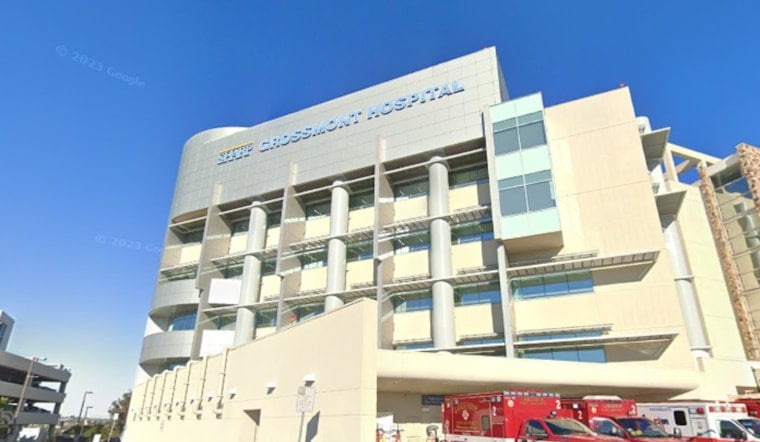
Fresh out of surgery and trying to recover at Sharp Grossmont Hospital, a La Mesa patient says her bedside phone would not stop ringing. On the other end, she says, were scam callers pushing for her Social Security number and bank details, hitting her with at least six calls before she finally yanked the plug. The incident is raising fresh alarms about how easily spoofed and automated calls can slip straight into hospital rooms.
According to a report from NBC 7 San Diego, the patient, identified as Anita Fritz, told reporter Sergio Flores that callers repeatedly asked for her Social Security number and a bank account so they could supposedly deposit a check. She said the calls kept coming until she unplugged the hospital-room phone. The NBC 7 story includes Fritz’s account along with statements from several local health systems on how they handle incoming calls to patient rooms.
Those health systems described different setups, according to the NBC 7 report. Kaiser Permanente said calls to patient rooms have to be put through by an operator, and callers must supply a patient’s first and last name before they are connected. Scripps Health said it can block numbers that are reported as spam, add a short menu prompt, or even change room numbers to throw off auto-dialers. Sharp Healthcare told NBC 7 it is committed to protecting patient privacy and said it does not release protected patient information without written consent.
Why Hospitals Are Vulnerable To Robocalls
Regulators and hospital IT leaders say this is not just an annoying quirk of the phone system. Hospitals are frequent targets of spoofed and automated calls that can jam phone lines and put patient privacy at risk. The Federal Communications Commission’s assessment of the Hospital Robocall Protection Group’s best practices lays out technical and operational steps hospitals and phone carriers can use to cut down on unlawful robocalls, and the FBI’s Internet Crime Report shows that reported losses from scams have surged in recent years. Health systems around the country have logged major incidents, including Tufts Medical Center, which documented thousands of robocalls in a short stretch, highlighting just how disruptive these campaigns can be.
What Hospitals And Patients Can Do
Hospitals can partner with their phone carriers to roll out call-authentication tools, add short screening menus, and block numbers that are repeatedly flagged as spam. Patients and families, meanwhile, are urged never to share personal or financial information with an unsolicited caller, no matter how official the call may sound, and can ask hospital staff to help route or screen transfers to their rooms.
If you believe you have been targeted, authorities recommend filing a report with the FBI’s Internet Crime Complaint Center at IC3 and reviewing the FCC’s consumer guidance on stopping and reporting unwanted calls, which includes tips like forwarding spam texts to 7726 (SPAM) and using call-blocking tools.
Local officials say cutting off these hospital-room scam calls will take coordinated work among hospitals, phone carriers, and regulators. For patients like the one in La Mesa, simply unplugging the bedside phone was the only quick fix available. Officials and industry guidance alike stress that reporting these incidents is crucial so carriers and enforcement agencies can trace and shut down abusive call campaigns.





