

























































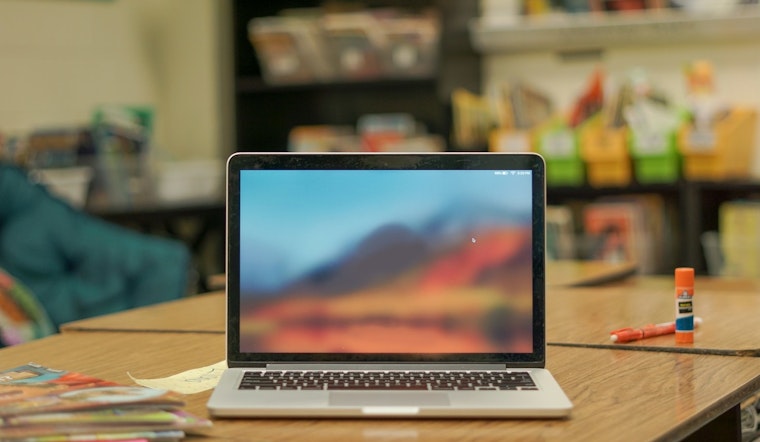
Screens could be getting a serious time-out in Los Angeles classrooms, as the Los Angeles Unified School District board is set to vote Tuesday on a resolution that would sharply cut student screen time during the school day. If the policy is approved, it would keep devices out of kindergarten and first grade, set grade-specific limits for older students, and require staff to track how school devices are used. It would be a striking pivot for a district that in recent years pushed one-to-one devices and digital lessons into elementary grades. Parents and some board members say the shift is aimed at growing worries over attention, mental health and student data privacy.
As reported by the Los Angeles Times, the proposal from Boardmember Nick Melvoin directs district staff to set "expected and maximum" daily and weekly limits on screen use. The Times notes that examples in the resolution include capping device time at no more than one hour a day or five hours per week for students in third through fifth grade. The measure would keep students off screens until second grade and then require the district to track and limit device use after that.
What the resolution would do
The board agenda lays out a set of guardrails that would remake how young students encounter technology at school. It would ban classroom device use for kindergarten and first grade, require tracking and limiting of screen time after second grade, and prohibit device use during passing periods, lunch and recess, with limited exceptions. For younger grades, the resolution leans toward shared laptop carts or computer labs instead of a device for every student.
The agenda also instructs the district to run a cost-benefit analysis and produce "a comprehensive itemized report of contracts related to classroom technology," broken out by central office and school-level purchases, as detailed in the LAUSD meeting packet, which outlines the proposed timeline and deliverables.
Board members' concerns
Melvoin told the Los Angeles Times that he respects teachers but has "three concerns" about YouTube in particular: "more time on a screen, the ads and the autoplay." He worries that algorithms can send students down unhealthy "rabbit holes" that have little to do with the lesson plan. The resolution cites research linking heavy device use to vision problems, anxiety, addictive behavior, reduced attention span and lower academic performance.
Parents and a broader trend
Parent groups, including Schools Beyond Screens, along with dozens of public commenters, have been pressing the board to pull back on early-grade device use and to spell out which apps and platforms can appear on school devices, according to reporting by CapRadio. Their push comes as state leaders are tightening their own rules: the Governor's office signed the Phone-Free School Act, which requires districts to adopt smartphone policies by July 1, 2026, a move that has nudged districts like LAUSD to reexamine the role of tech during the school day.
Implementation and next steps
The resolution acknowledges that LAUSD currently does not regularly track total student screen time across platforms, programs or devices, and that usage data is not routinely broken down by application or grade level. It directs staff to craft a formal Screen Time Policy to be presented first to the Committee of the Whole and then to the full board for approval by June 2026, with districtwide implementation planned for the 2026–27 school year, according to the LAUSD meeting packet.
What to watch
If the board signs off on the resolution Tuesday, the real battles will move into the months-long rulemaking process, where district staff and school leaders will have to hash out the details: specific daily caps, which platforms get blocked and how to enforce the rules in real classrooms. Parents, teachers and administrators will be watching closely to see whether the promised deep dive into education technology contracts leads to tighter controls on which apps and services are allowed on LAUSD devices.





