

























































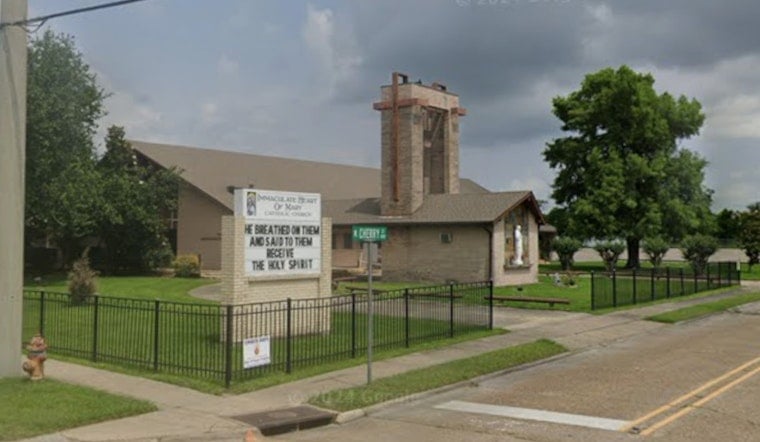
Lake Charles District Judge Kendrick J. Guidry has stepped away from a high-stakes civil clergy abuse lawsuit after acknowledging he sits on the finance committee of Immaculate Heart of Mary parish, a role he says he neglected to mention in court. The move has put the case in new hands and cranked up pressure on local judges to be crystal clear about their ties to powerful institutions in southwest Louisiana.
Attorneys for the alleged victim filed a motion on April 15 asking Guidry to recuse. In an email response, Guidry said the challenge "does come with a personal sting" and explained that he had updated his official courthouse biography to note the finance committee appointment he accepted in late February. After that updated bio went online, the case was reassigned to Judge Michael Canaday, as reported by The Guardian.
At a March 31 hearing, Guidry told lawyers he was a parishioner and eucharistic minister at Immaculate Heart of Mary but did not disclose his newer role on the parish finance committee. He then ruled for the diocese, agreeing that reviving a roughly 40-year-old claim would amount to an unconstitutional taking of church property. From the bench, he also remarked that the law lets people "take shots at you guys for something that might have happened 30 or 40 years ago," a line that has since drawn fire from survivors' advocates and ethics observers, according to The Guardian.
Why the lookback window matters
All of this is happening under Louisiana's temporary "lookback" window, a law that paused certain civil prescription periods so adult survivors of sexual abuse could bring claims that date back decades. The Louisiana Supreme Court upheld that statute in June 2024, a decision that kept scores of church-related suits alive and forced a rethink of how lower courts handle long-dormant abuse claims. As reported by WDSU, the ruling has reshaped settlement talks and litigation tactics across the state.
What the law requires
Under current Louisiana law, recusal is not just about what a judge personally feels is fair. La. C.C.P. art. 151(B) sets an objective standard, instructing judges to step aside when there is a "substantial and objective basis" that would reasonably be expected to keep them from handling any part of a case impartially. That yardstick has fueled a steady stream of recusal motions as lawyers test how far civic, religious, or financial connections can go before they cross into disqualifying conflicts. For a rundown of how courts have been applying that standard in recent cases, see the legal summary at FindLaw.
Local fallout
Parish materials list Guidry as an active Immaculate Heart of Mary member and volunteer, and local bulletins document his ministry work in the congregation. Attorneys and advocates say the controversy shows how hard it can be in smaller communities to keep courtroom decision-making truly separate from the social circles where judges, lawyers, and church leaders regularly overlap. Local filings and reporting point to multiple suits involving clergy and parishes in the 14th Judicial District; see parish records at Immaculate Heart of Mary and a listing of regional filings compiled by BishopAccountability.
The case will now move ahead under Judge Canaday while the parties decide whether to contest any of Guidry's prior rulings. The recusal serves as a pointed reminder that even routine community service can take on legal weight when a judge is presiding over disputes involving institutions where they worship and volunteer.




