

























































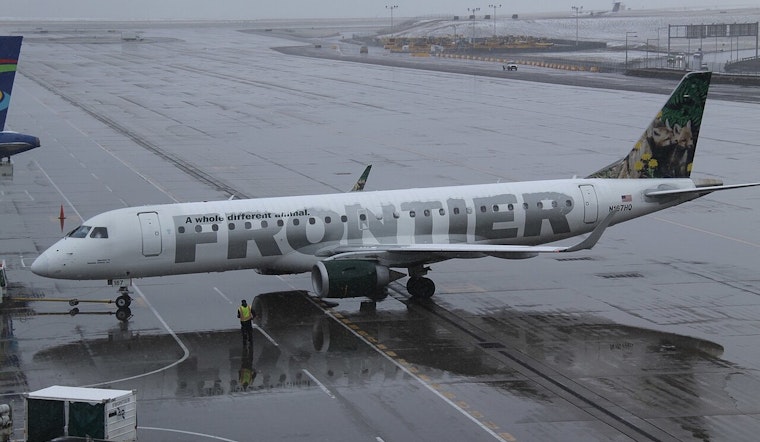
A late-night Frontier Airlines departure at Los Angeles International Airport turned tense on Wednesday when the jet nearly hit two service trucks while taxiing, forcing the crew to brake hard just after 11 p.m. No passengers or crew members were hurt, but the close call was a stark reminder of how quickly things can get dicey on crowded airport ramps and taxiways.
Air-traffic-control audio captured the pilot telling ground controllers that "two trucks just cut us off… we had to slam on the brakes over here." Controllers replied that they would alert ground crews, and city operations staff then tried to track the vehicles on nearby service roads, according to NBC Los Angeles.
Frontier later acknowledged the scare in a statement to NBC Los Angeles, saying, "We are aware of the incident and no injuries were reported to passengers or crew." The aircraft, which had been bound for Atlanta, continued its journey after the crew confirmed everyone on board was OK.
What The Cockpit Audio Reveals
On the radio, the pilot described the near-miss as "the closest I've ever seen" and reported that the trucks appeared unmarked, with no visible company logos or identifying information. That detail raises immediate questions about why unmarked vehicles were operating so close to an active taxiway and whether they were moving under the required escort or clearance procedures.
The exchange also highlights how quickly a routine taxi can flip into a safety event. At low speeds on the ground, there is not much room for error when heavy equipment and airliners share the same space.
Why Surface Incursions Rattle Safety Officials
Surface incursions, where vehicles, equipment or aircraft stray into protected movement areas, can turn into collisions in a matter of seconds. Cutting those incidents is a long-running priority for federal regulators, and the agency's runway-safety and Runway Incursion Mitigation efforts are referenced in federal safety briefings, including materials from the FAA and reporting by the Los Angeles Times.
According to local reporting, inquiries were sent to LAX and the FAA about the incident, but officials had not immediately responded. Airport operations staff, investigators or the airline could review airfield video, vehicle logs and escort procedures to piece together how the trucks ended up in the jet's path and whether this close call should trigger changes in policy or enforcement on the ground.





.jpg)