

























































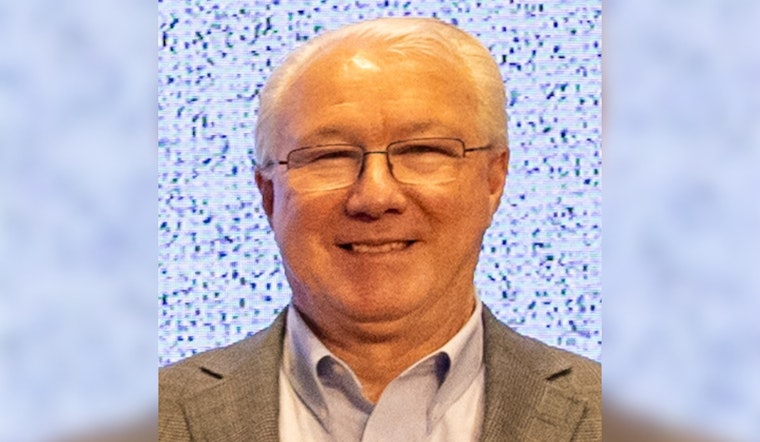
Detroit Lions president Rod Wood says the money crowd keeps circling the franchise, but the Ford family is not interested in selling any piece of the team right now. He told reporters this week that private-equity firms and wealthy individuals often ask about investing in the Lions, yet he stressed the family has no current plans to sell a stake. Wood said a minority sale would not bolster the Lions' cash budget and reminded listeners that he plans to retire this summer, so he will not be the one steering any new stadium project.
Wood made the comments at the NFL owners' meetings in Phoenix. In an interview with the Detroit Free Press, he said private-equity firms and individual investors regularly inquire about buying into the club and repeated that the Ford family “has no current plans to sell a stake.” He added that the organization is more interested in re-signing its young core than chasing splashy, short-term headline signings.
Private Equity Elbowing Into the NFL
The league opened a narrow lane in August 2024 for preapproved funds to purchase limited minority stakes in teams, with strict governance rules and minimum hold times attached. As reported by Front Office Sports, franchises such as the Dolphins, Chargers, Bills and Patriots have already taken institutional capital while keeping controlling ownership in family hands. That backdrop helps explain why interest in the Lions has picked up, even as the Fords show no intention of putting equity on the table.
Ford Field’s Future and the I‑375 Question
Wood said the Lions are weighing whether to keep pouring money into Ford Field or look for more room somewhere else in metro Detroit, and he made it clear that any major new stadium build will be left to his successor. Ford Field opened in 2002 and underwent a roughly $100 million reimagination in 2017 that focused on upgrading premium clubs and suites, according to Rossetti. Wood also voiced concerns about the proposed I‑375 reconstruction and its multi‑year construction impact on game-day access, a worry detailed by the Detroit Free Press.
What It Could Mean for Downtown Detroit
Any move to tap outside capital or shift stadium sites would echo through downtown development, tax incentives and nongame-day revenue projects. Front Office Sports notes that a 10% cap on private-equity stakes limits how much those investors can influence control, but they can still help finance mixed-use projects around a stadium. With Wood’s retirement already announced by the Detroit Lions, the next team president will inherit the call on whether to double down on Ford Field or rethink the franchise’s footprint in the city.
For now, Wood’s message leaves Detroit with two realities: the Ford family remains firmly in charge of the Lions, and outside capital is becoming a faster-moving piece of how modern NFL teams pay for stadiums and surrounding districts. For background on Wood’s departure, see prior coverage.





.jpg)