

























































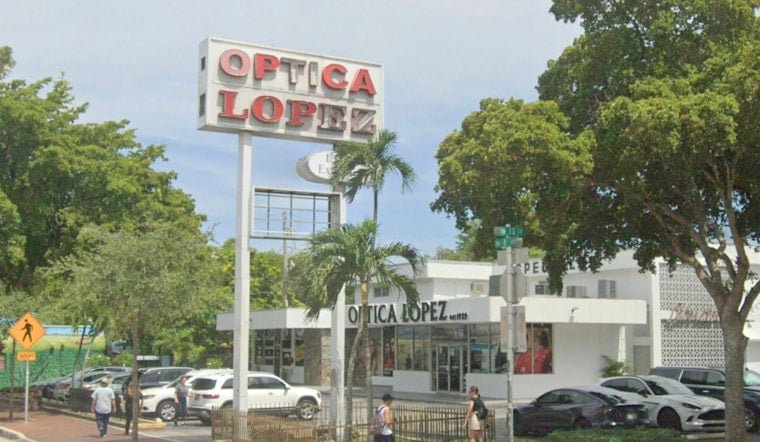
Miami is quietly teeing up a major land hand-off in Little Havana, shifting several prime city-owned parcels to private developers in exchange for roughly 500 affordable and workforce apartments. The package includes the former Optica Lopez site and other lots the city bought in recent years. Backers say the deals will finally speed construction in a neighborhood squeezed by soaring rents. Skeptics see free land, rich subsidies and long leases that could look a lot like a giveaway. The arrangements grew out of an initiative pushed by outgoing Commissioner Joe Carollo and are now moving forward with three separate development teams.
How the city cleared the way
According to city notices and meeting agendas, commissioners signed off on resolutions that waived the usual competitive bidding and authorized either direct transfers or long-term ground leases to chosen developers. Staff told commissioners that locking in 99-year ground leases and other site-control agreements was key to securing construction financing and guaranteeing long-term affordability restrictions. The same votes also reserved federal and local housing dollars for the projects. The City of Miami documented the resolutions and the specifics of the deals in its public records.
Who was chosen to build
The city tapped three local players to turn the Little Havana plan into steel and concrete: NR Investments, led by Nir Shoshani; the Swerdlow Group, headed by veteran developer Michael Swerdlow; and Mabruk USA, run by Nuri Dorra. NR Investments and Swerdlow have both delivered income-restricted and workforce towers elsewhere in Miami, while Dorra operates on a smaller scale and has worked along Calle Ocho. The Swerdlow Group has publicly described pursuing a negotiated ground-lease deal with the city to launch senior housing towers on public land, framing a long lease as the backbone of the financing stack. Materials from the Swerdlow Group and earlier press coverage of NR Investments projects in other neighborhoods fill in that track record. The Real Deal
Optica Lopez site and the tab
Front and center in the Little Havana shuffle is the longtime Optica Lopez property on Southwest Eighth Street. Industry listings show the two-parcel assemblage trading hands for about $5.9 million late last year, a number that instantly put the site on the radar of anyone tracking redevelopment in the corridor. Reporting that reviewed sales records and city actions describes how Miami then closed on the purchase, bringing the land into the municipal portfolio and setting it up as the base for a planned affordable tower. NR Investments has since submitted designs for that building. Marcus & Millichap reported the $5.9 million sale, and subsequent local coverage has followed how the property moved from private ownership into the city’s redevelopment pipeline. Miami Herald
What the developments would include
On paper, the three projects have slightly different targets and scales. NR Investments is proposing a roughly 116-unit building that mixes workforce and affordable apartments with ground-floor retail and a parking garage. Mabruk USA has floated a 12-story structure with around 105 units. Swerdlow has said he wants to lock in a long-term lease for one or two senior housing towers, together totaling about 300 studios and one-bedroom apartments. Across the board, the financial recipe leans on a familiar blend of federal, state and local subsidies layered over private lending. City documents tie those subsidies to firm site control and long ground leases, which the developers and officials say are necessary to satisfy lenders and investors. Public statements from the Swerdlow Group and developer filings outline the basic program and funding structure for the Little Havana deals.
Tax breaks and the Live Local law
On top of cheap or free land, the projects are expected to tap state-level tax breaks created under Florida’s Live Local Act and follow-up legislation. Those rules let qualifying affordable and workforce developments sharply cut their property tax bills if they agree to rent and income caps. Recent legal and policy analysis notes that the biggest benefits now apply to projects on government-owned or housing-authority land, which is exactly how the Little Havana sites are structured. Stearns Weaver explains how the ad valorem exemptions work, why Live Local has become central to Miami deals and how those tax savings can make or break financing.
Why some residents and officials are uneasy
The speed and structure of the transfers have not exactly calmed nerves in Little Havana. District 3 Commissioner Rolando Escalona, who defeated a Carollo-aligned candidate in last year’s election, has publicly argued that the properties were “given away the wrong way.” At the same time, he has stopped short of trying to unwind the arrangements, saying the neighborhood could still benefit if shovels hit the ground quickly and the apartments stay attainable for local residents. Local reporting has also pointed out that the land deals are paired with city commitments to put additional housing dollars behind the same projects, a one-two punch of subsidy that has watchdogs and neighbors looking closely at the fine print. Miami Herald
What’s next
Developers Nir Shoshani and Michael Swerdlow are next headed to a key city gatekeeper, seeking up to $4 million each in federal housing funds that flow through Miami. Those requests are scheduled to land before the Housing and Commercial Loan Committee at a public meeting, where staff and members will vet the proposals before any checks are cut. Under the agreements already approved, the clock will start ticking once financing and permits line up. If construction does not begin within the required timeframe, control of the parcels is supposed to revert back to the city. For now, Little Havana residents are left to watch whether the combination of free land, tax breaks and subsidies translates into faster, deeper affordability or simply locks in a long public subsidy stream for private developments.



