

























































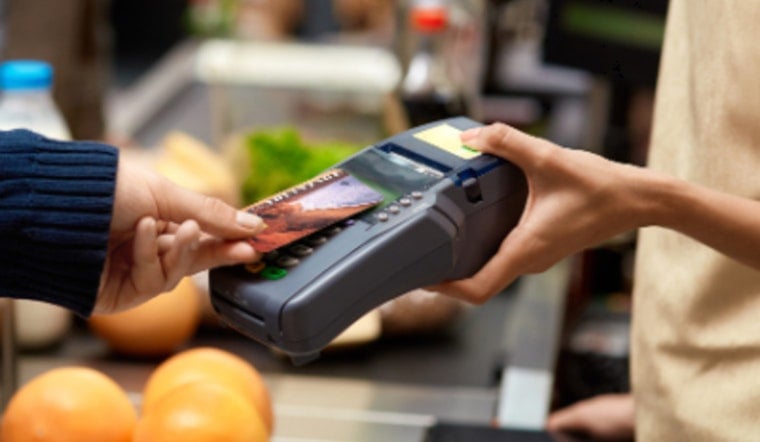
Sydney Moe, a single mother of three in Long Beach, says scammers skimmed her CalFresh EBT card and wiped out her benefits, leaving the family without food money. She told reporters that her card began getting declined in late February and that receipts later showed purchases at stores roughly 20 miles from her home. After she filed a police report and went to the county social services office for help, Moe said an initial reimbursement hit her account, then “disappeared in two days.”
Moe says her account PIN was changed without her knowledge and the balance drained, and she has been shuttling between police and the County Department of Public Social Services as she tries to get yet another replacement card. She says county workers told her they can issue refunds, but that California limits how many times benefits can be replaced and that the process can be slow. As reported by NBC Los Angeles, Moe now fears the money will be stolen again and that “people are just taking from me, and I have no way to get it back.”
How California Handles Stolen CalFresh Benefits
California does allow replacement of CalFresh food benefits that are stolen through electronic theft, but the help comes with tight limits. State guidance requires victims to complete a Report of Electronic Theft form, known as EBT‑2259, usually within 90 days of the loss, and counties must verify the claim before issuing any replacement. CalFresh benefits can be replaced only up to two times per federal fiscal year, and the total replacement amount is capped at two months of the household’s most recent monthly allotment.
Those timelines and caps are set out in state and county materials, which also say counties generally have 10 business days to issue a replacement once they receive a complete claim, according to Santa Clara County.
County And State Warnings To Cardholders
Los Angeles County’s Department of Public Social Services urges EBT cardholders to protect their personal information, including Social Security numbers, EBT card numbers, and PINs, and to avoid sharing them or clicking suspicious links, according to LA County DPSS. The county directs recipients to official tools such as BenefitsCal and the ebtEDGE portal to check balances and review transactions, and reminds people to call the number printed on the back of the card if they suspect theft.
State officials have also warned about a fake “Ebt edge - food stamps” app that copied the look of the real tool and charged users before it was removed from the Apple App Store. The imposter app was flagged in reporting by the Los Angeles Times, which also lists the official EBT customer service number that cardholders can use to deactivate a compromised card.
Why Replacements Do Not Always Help
Even when counties reimburse stolen benefits, families say they are often left scrambling because of delays, benefit limits, and repeat thefts that hit as soon as new funds arrive. California has tried to clamp down on the problem by blocking suspicious transactions, pursuing fraud rings, and investing in more secure cards, but local reporting shows that electronic theft has already cost millions and continues to fall hardest on low-income households. Coverage by the Long Beach Post traces both the scale of EBT theft and the state’s ongoing efforts to strengthen protections.
What To Do If Your EBT Is Stolen
If your EBT card is suddenly declined or you see transactions you do not recognize, the first step is to call the EBT customer service number on the back of the card to deactivate it and request a replacement. Then contact your county office to file a theft claim.
Under California’s process, victims must submit the EBT‑2259 electronic theft form through BenefitsCal or their county office within the required filing window to qualify for a replacement. Once a complete claim is received, counties are generally expected to issue the repayment within about 10 business days, according to official guidance. For Los Angeles County residents, LA County DPSS maintains local office information and a customer service line to help with card deactivation and claims.
Moe says she has already been locked out of a replacement card and worries that any restored funds could once again disappear, a situation that underscores how vulnerable families can remain even when reimbursements are available. Her case was first detailed by NBC Los Angeles, which asked the Department of Public Social Services whether the agency could refund her again. DPSS told the outlet that Moe would have to go through the same replacement and reimbursement process.




