

























































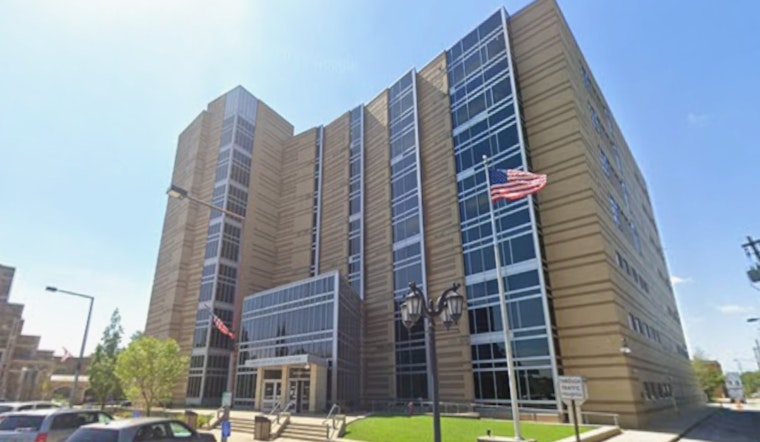
Lorain County’s drug court roster has ballooned to roughly 85 people, and for the first time in recent memory about half of those participants are women. The shift is forcing judges, prosecutors and sheriff’s deputies to rethink how the county handles addiction, custody and family reunification. Officials say the change could reshape both courtroom calendars and jail capacity in the months ahead.
Judge credits treatment docket for gains
Judge Giovanna Bremke, who began serving on the Common Pleas bench in January 2025, told Cleveland 19 that "Females are the fastest growing segment of the justice system" and that she has tripled the county drug court’s size since taking over. Bremke said women in the program often arrive motivated to reunite with children and family, and noted that "we had women birth drug free babies in this program," which she called evidence of the court’s generational impact. She argued that the drug court’s hands-on, treatment-first approach shows better results than traditional probation for many participants.
National context: why this matters
A July 2024 report from the Council on Criminal Justice found that women are the fastest-growing segment of the criminal-justice population and are more likely than men to enter the system with trauma, mental-health challenges and caregiving responsibilities. That research helps explain why courts across the country are adapting treatment dockets to be gender-responsive and family-focused. Local advocates say addressing parenting, housing and behavioral-health needs is essential to sustained recovery.
How drug court works and why officials lean on it
Drug courts pair regular judicial status hearings, routine drug testing and coordinated treatment delivered by a multidisciplinary team, a model that evaluations say can reduce recidivism compared with standard probation. As described by San Joaquin County, participants often begin with weekly appearances and frequent testing, with oversight easing as they progress through treatment phases. Local judges and treatment providers say that intensity is demanding but produces measurable gains for parents trying to reunite with children.
Capacity crunch shows up in local jails
Lorain County Sheriff Jack Hall told Cleveland 19 the county’s female jail population has climbed and that officials recently shipped about ten female inmates to Cuyahoga County. Those transfers went to the Cuyahoga County Corrections Center in Cleveland, the region’s main jail complex. County officials say expanding treatment dockets could help relieve booking pressure while addressing underlying substance-use problems.
Funding and next steps
State and federal grants have helped seed specialized dockets: an October 2024 OCJS press release listed nearly $293,725 for Lorain County’s Mental Health, Addiction and Recovery Services Board as part of a larger package supporting specialty courts and crisis teams. The Common Pleas Court, where Bremke oversees the drug docket, has leaned on those partnerships to grow capacity and case management, but local advocates say sustaining momentum will require continued funding, more treatment slots and stronger coordination with child-welfare services. Officials will be watching whether expanded programming leads to more treatment completions and family reunifications over the coming year.





