

























































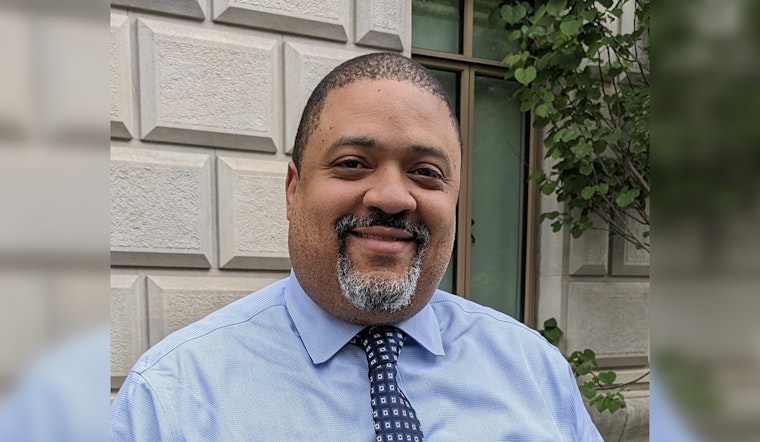
Manhattan District Attorney Alvin Bragg is turning up the heat on Meta, telling the tech giant to shut down imposter Facebook and WhatsApp accounts that he says are ripping people off. In a letter sent Friday and in a post on X, Bragg warned that the fake profiles "have led to tens of thousands of dollars of fraudulent transfers" and requested a meeting with Meta CEO Mark Zuckerberg. He called out schemes posing as pro-bono legal services and charities and said immigrant communities are being hit especially hard.
Bragg's Letter And The Evidence
According to ABC News, Bragg's letter asks Meta to create a more direct lane for law enforcement, allowing prosecutors to report imposter profiles themselves, push for quick suspensions of suspect accounts and require verification from anyone claiming to represent legal-service organizations. His office says it is now receiving roughly one complaint a month about these scams, and Catholic Charities chapters in Trenton, Houston and Baltimore have posted their own warnings about bogus pages mimicking their work. Bragg also took to X to press Meta to remove accounts he says are actively defrauding people.
Legal Pressure On Meta
The push comes as Meta faces fresh legal trouble on another front. A Santa Fe jury last month ordered the company to pay $375 million in civil penalties for allegedly misleading users about platform safety and enabling harm to children. That landmark verdict has given new ammunition to prosecutors and consumer advocates who want platforms to make enforcement easier for law enforcement and vulnerable users, as reported by AP News.
How the Scam Works
The fraud schemes Bragg is targeting are depressingly simple. Scammers set up public Facebook pages and WhatsApp profiles that closely mirror legitimate charities or legal-aid groups, then pressure victims to send money for supposed immigration or legal help. They copy logos, use urgent language and push for fast payment to create the illusion of credibility. Digital-safety guides urge people to double-check phone numbers and official websites and to treat unsolicited requests for money as major red flags, according to AARP.
Meta's Response And What Comes Next
Meta told reporters that users are not allowed to misrepresent who they are and that the company is pouring resources into technology and partnerships aimed at keeping scammers off its platforms. Bragg's outreach, combined with the New Mexico verdict, signals that prosecutors are pushing hard for faster takedowns and better verification for organizations that say they offer legal help, according to ABC News. Bragg has also leaned on payment and app companies in the past over fraud protections, as detailed by Ars Technica.
Bragg says he wants assurances from Meta that the company will act, and his office says it will keep investigating complaints and pressing for tighter platform controls. In the meantime, experts advise confirming official contact details directly with organizations and steering clear of sending money to profiles that only communicate through social apps, in line with consumer-safety guidance from AARP.




.jpg)