

























































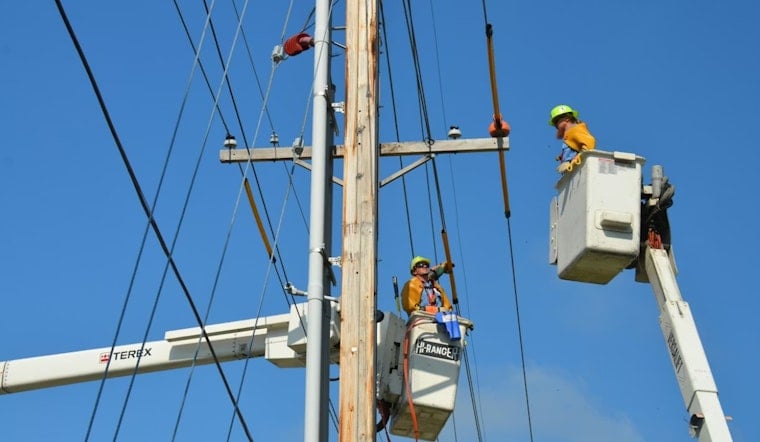
An unplanned power outage knocked out electricity to parts of the Marina neighborhood today, and city emergency officials are urging residents to keep refrigerator and freezer doors firmly shut to protect perishable food. The advisory repeats familiar safe-storage estimates, saying food can stay cold for about four hours in a refrigerator, roughly 24 hours in a half-full freezer and about 48 hours in a full freezer, and asks people to avoid opening appliance doors while crews work on restoration.
What officials are saying
According to the San Francisco Department of Emergency Management, the unplanned outage is affecting the Marina neighborhood and residents should keep refrigerator doors closed to maintain cold temperatures. The post repeats the 4-hour, 24-hour, and 48-hour guidance and urges people to limit opening fridges while the power is out.
如果斷電,請關閉冰箱門。
— San Francisco Department of Emergency Management (@SF_emergency) April 27, 2026
食物在冰箱中可安全保存 4 小時,在半滿的冰櫃中可安全保存 24 小時,在滿的冰櫃中可安全保存 48 小時。
How long food stays safe
Those time estimates line up with federal guidance. USDA’s Food Safety and Inspection Service notes a refrigerator will keep food safe for up to four hours if the door remains closed, and that a full freezer will hold safe temperatures for about 48 hours, or 24 hours if it is only half full. If the outage appears it last longer, the agency recommends moving perishables into coolers with ice or using alternative cold storage.
What to do now
Check restoration estimates or report an outage through the PG&E outage center, and sign up for city emergency texts by visiting AlertSF or texting your ZIP code to 888-777. If you rely on electrically powered medical equipment, contact PG&E about its Medical Baseline supports and follow your provider’s emergency plan. For guidance on whether to throw food out, federal health agencies advise discarding perishable items that have been at unsafe temperatures for two hours or more, or sooner in very hot conditions; see the FDA for details.



