

























































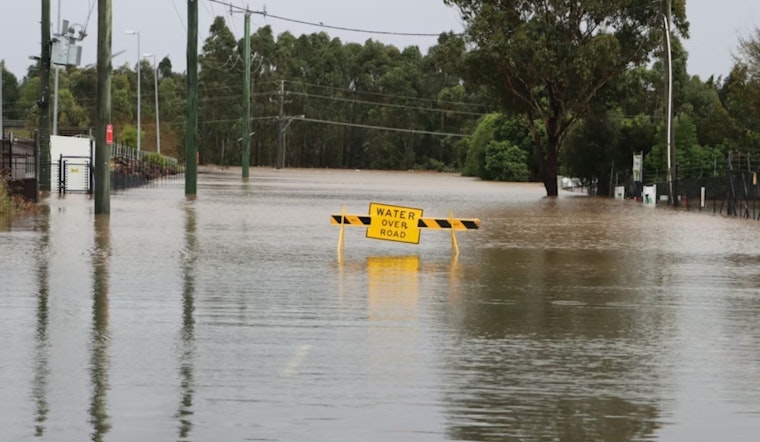
A sudden, intense storm last weekend turned parts of Marion into temporary lagoons, with water climbing from knee- to bumper-deep, soaking basements and trapping cars while weary neighbors hustled to save what they could. On North Prospect Street, renters spent hours trying to drag waterlogged vehicles up to slightly higher ground and wrestling with sump pumps and soggy furniture. Many residents said the city's aging drains simply could not keep up with the torrent.
The National Weather Service measured more than 2 inches of rain in spots near Marion during the early-April downpour, totals that can swamp smaller urban drainage systems in short order. Those station reports highlight how intense, compact storms can quickly turn into neighborhood-scale flooding, according to the National Weather Service.
Renters, Landlord And City Hall Point Fingers
Neighbors and the landlord along North Prospect Street told local reporters that water rose so fast it left basements and driveways awash, with tenant Keren Carter saying, "It was like something out of a nightmare," after her van reportedly stopped running. Landlord Justin Schaefer said he has repeatedly pressed city leaders to fix the storm drains and sewer lines on the block, arguing that the infrastructure is not up to the job.
City assistant engineer Scott Bishop told ABC 6/FOX 28 that the flooding was "mainly caused by high-intensity rainfall" and noted that Marion hired an engineering consultant in 2024 to design a sewer improvement project. Construction had been expected to start in fall 2025 but was delayed because of the city's fiscal state. Bishop also said wastewater crews will keep cleaning and maintaining the storm system as they are able.
How This Fits Into Ohio’s Bigger Flood Problem
Marion County appears in statewide hazard planning as an area with measurable flood exposure and potential building losses in larger events, underscoring how municipal drainage, tight budgets and heavy short-duration storms collide. The State of Ohio Enhanced Hazard Mitigation Plan lays out county-level vulnerabilities and the need for prioritized upgrades.
Until the city can secure funding and move that long-planned sewer work from the drawing board to the street, neighbors say they'll be the ones rolling out hoses and shop vacs, pumping basements and drying out cars after the next heavy storm.





