

























































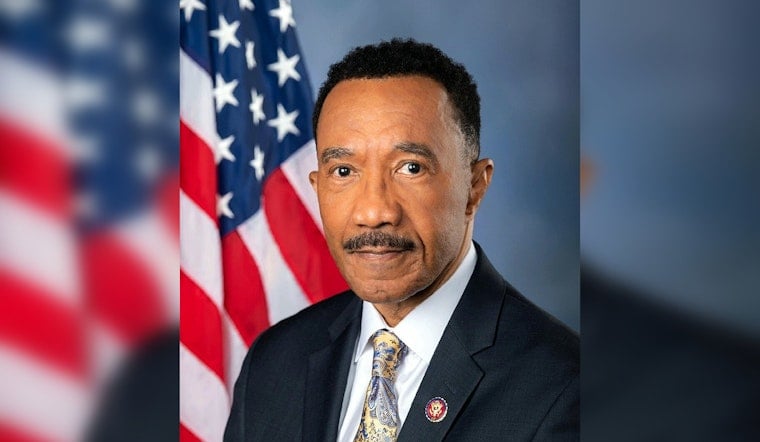
Maryland Rep. Kweisi Mfume on Wednesday stepped into a Capitol Hill push for a bipartisan reauthorization of the Trafficking Victims Protection Act, rolling out a Frederick Douglass‑branded measure that he says would beef up survivor services and prevention work in schools. The proposal would pay for survivor housing and wrap‑around care and would fund classroom programs that teach young people how to spot grooming and steer clear of exploitation. Mfume said the effort is about protecting the "nameless, faceless individuals" who are most at risk.
Rep. Chris Smith (R‑N.J.), who authored the reauthorization, hosted a widely attended press conference Wednesday and urged passage of H.R. 1144, which he and Mfume say strengthens prevention and support programs. According to Rep. Chris Smith's office, the bill would authorize the first‑ever federal housing program for survivors, ensure wrap‑around case management, and expand survivor employment and education efforts. The full measure is posted on Congress.gov.
Local coverage zoomed in on the Maryland piece of the story. WBAL NewsRadio quoted Mfume explaining that the bill takes its name from Frederick Douglass and would channel money into school programs that help young girls recognize red flags and avoid being pulled into trafficking. The outlet also highlighted Mfume's argument that federal policy has to lean harder on prevention and survivor services, not just prosecutions after the fact.
What the bill would do
The Frederick Douglass reauthorization would extend and expand the federal TVPRA framework to keep funding flowing for prevention, prosecution, and protections, while creating new grant authorities for states and community providers. As outlined on Congress.gov, the bill puts a spotlight on prevention education in schools, reauthorizes International Megan’s Law, and launches a pilot housing program to help survivors move toward independent living. Supporters say those changes are designed to close long‑running gaps advocates see in counseling, housing, and job training for survivors.
Local context and why it matters
Human‑trafficking data underline the stakes. The National Human Trafficking Hotline logged 358 signals from Maryland and identified 179 cases involving 254 victims in 2024, according to state hotline figures. Polaris's Maryland statistics show that most reported cases involve sex trafficking, and local advocates say many incidents never make it into the numbers at all. Backers of H.R. 1144 argue that fresh federal resources could help reach and stabilize survivors before they are pulled back into exploitation.
Smith said congressional leaders had agreed to set debate and a vote within weeks, signaling an unusually quick path to the floor, though the bill still has to clear committees and win House approval. As noted by Rep. Chris Smith's office, the measure has bipartisan sponsors and will face a political test over how far to go and how much to spend.





