

























































Massachusetts' medical schools, long described as the backbone of the state's life-science economy, were shut out of the top tier of research medical schools in U.S. News' 2026 graduate-school rankings released April 7. For a state packed with clinical research powerhouses and teaching hospitals, the absence of a single Tier 1 program is a jarring look in the national mirror.
The nationwide list of Tier 1 research medical schools published by U.S. News does not include any institutions from Massachusetts. Those coveted top-tier slots instead went to programs such as Yale, the Mayo Clinic and several University of California schools. U.S. News grouped schools into four tiers for the “Best Medical Schools: Research” category in its 2026 Best Graduate Schools release.
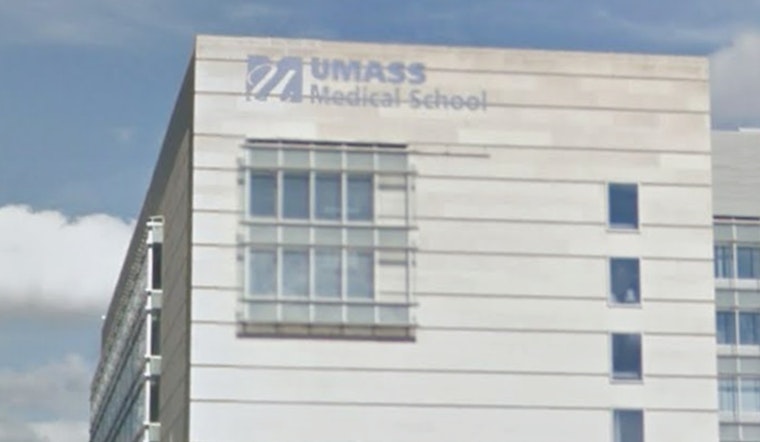
Local reporting by the Boston Business Journal notes that Tufts University School of Medicine and UMass Chan were the highest-ranked Massachusetts programs, both landing in Tier 2 for research. The same report points out that nursing programs around the state slipped in the new rankings, even as some specialty programs still posted strong showings.
Methodology Changes Could Have Shuffled Tiers
U.S. News said this edition relied on an “enhanced data collection framework” and a comprehensive refresh of health-discipline rankings, changes that could reshuffle which programs land in Tier 1, according to U.S. News. “These rankings are a resource for students, offering clarity and confidence,” the release quoted LaMont Jones, managing editor of education at U.S. News, as saying.
The updates included expanded program coverage and new data points aimed at capturing research activity more broadly, which may have altered how traditional research stalwarts are sorted into the new four-tier structure.
What It Means for the Local Research Ecosystem
The lack of a Tier 1 designation will not suddenly move labs or rewrite federal grant decisions, but it carries real reputational weight for hospitals, graduate recruitment and industry partnerships. A lower tier label can be the kind of thing that sticks in the minds of applicants and collaborators, even when the day-to-day science has not changed.
UMass Chan, which state officials and local coverage have described as a major research and economic anchor in Worcester, remains a key source of research dollars, workforce talent and biotech partnerships, according to the Worcester Business Journal. That role in the regional life-sciences ecosystem continues regardless of which tier U.S. News assigns.
Specialty Strengths Despite Tier Placement
Despite the overall tier placements, some Massachusetts specialty programs still ranked among the stronger offerings nationally, even as nursing program placements fell, the Boston Business Journal reports. That split suggests the state’s institutions may remain highly competitive in particular clinical specialties and graduate niches, even if they lost ground on the aggregate research measure.
Rankings are one signal among many. Applicants and employers often put at least as much weight on factors like NIH funding, clinical training sites and faculty fit when choosing programs. For now, Massachusetts' medical and nursing schools can continue to point to specialty strengths and deep research ecosystems, even as they digest the optics of this year’s U.S. News update.



