

























































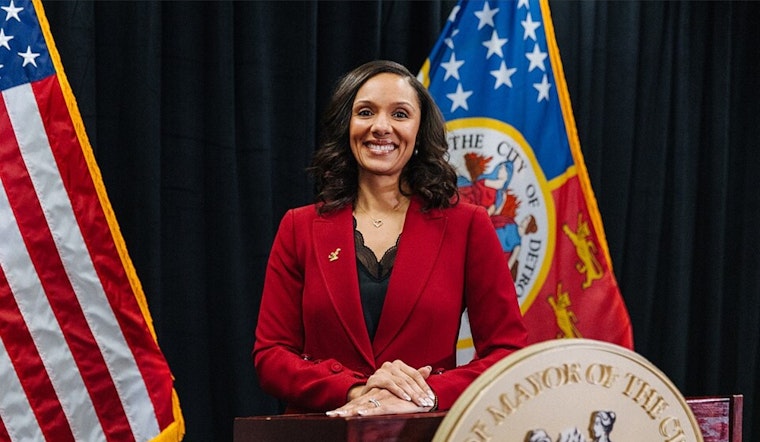
Detroit Mayor Mary Sheffield is turning up the heat on problem landlords, rolling out a citywide crackdown on unsafe apartments and multi‑unit buildings after years of complaints from tenants and housing advocates.
Today, Sheffield announced a coordinated push that leans on legal tools and stepped‑up enforcement to target chronic health and building‑code violations across the city. City officials are framing it as a clear warning to rental owners who have treated fines and code tickets as just another cost of doing business.
As reported by FOX 2 Detroit, Sheffield was scheduled to speak at 1 p.m., and the station streamed the announcement live. The outlet said the mayor would lay out a legal strategy and coordinated enforcement plan focused on long‑running health and building issues in rentals across the city.
The push comes against a stark backdrop. Detroit estimates there are about 82,000 rental properties citywide, and currently, only 10% of the city’s estimated 82,000 rental properties are in compliance, according to the City of Detroit. The city notes that a revamped rental ordinance passed in October 2024 took effect Jan. 1, 2025, changing inspection rules and shifting how the rental‑escrow program is managed.
Tenant advocates say the law on paper has not always translated into action on the ground. Groups such as the United Community Housing Coalition have pushed for tougher oversight while providing legal help to renters. The organization operates eviction‑defense and tenant‑stability programs and has worked with the city on ways to keep people housed and hold landlords to basic standards.
How enforcement could work
City officials have a sizable toolkit at their disposal: rental registration, inspections, certificates of compliance and, when necessary, fines and escrow remedies that can force repairs or even shift who manages a property, according to the building department.
Under the rental ordinance the city can issue tickets, pursue civil fines and, in certain lead‑poisoning situations, seek misdemeanor penalties. Sheffield’s plan is expected to rely heavily on these existing powers as inspectors move through problem properties and chronic violators.
The Buildings, Safety Engineering & Environmental Department is responsible for handling inspections and day‑to‑day oversight of rental properties under the ordinance.
What tenants and landlords should know
Tenants living with unsafe or unsanitary conditions can check whether their building is registered and compliant, and they can report issues directly to the city. Landlords, meanwhile, are expected to review Detroit’s rental rules and make sure their properties have up‑to‑date certificates and inspections.
Community groups and legal‑aid organizations are also part of the picture. The United Community Housing Coalition lists hotlines and referral options for Detroiters who need help navigating escrow, repairs or eviction trouble, providing a lifeline for tenants as the city ramps up its enforcement push.




.jpg)