

























































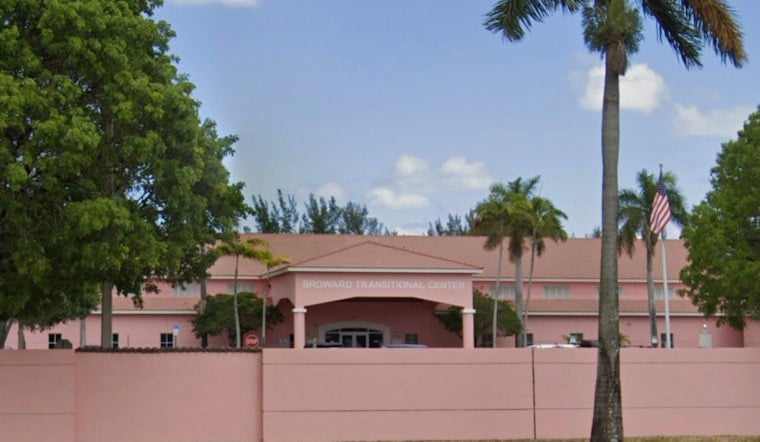
Freddy Antonio Tellez Lopez showed up for what he thought was a routine asylum appointment in Miami. Instead, the 42-year-old asylum seeker, who had settled in North Florida and bought a home, says ICE officers arrested him on the spot in October 2025 and locked him up for months before he finally won a bond hearing. According to his attorneys, he spent about two weeks at the Everglades detention center known locally as “Alligator Alcatraz” and roughly five months at the Broward Transitional Center before a federal judge ordered a bond hearing and Lopez posted $15,000 to walk out.
Lopez’s account, which he shared with reporters and which is backed up by court records, has become a local example of how the administration’s reworked reading of immigration detention law is sweeping up people already living in the United States, not just those arriving at ports of entry. As WLRN reported, Lopez crossed into the United States in April 2021, applied for asylum, worked as a waiter and eventually bought a home in North Florida before ICE detained him at his asylum appointment in Miami. His lawyers say officers arrested him instead of conducting the interview and then shuffled him between facilities rather than providing quick access to a judge.
“I never thought they were going to detain me,” Lopez told reporters, describing the shock of the October arrest. He also alleges that a guard sexually assaulted him at the Broward Transitional Center. A Broward Sheriff’s Office report later said surveillance footage “yielded negative results” and labeled the allegation unfounded, details first reported by Miami Herald.
Federal Court Orders a Bond Hearing
After an immigration judge in December 2025 denied Lopez’s request for bond under the government’s new interpretation of detention law, his attorneys went to federal court with a habeas petition. In a February 26, 2026 order posted on Justia, U.S. District Judge Donald M. Middlebrooks adopted a magistrate judge’s recommendation and directed ICE to give Lopez a prompt, individualized bond hearing or release him outright. The court closed the habeas case after granting that specific relief.
National Context: Courts, Policy and Habeas Filings
The Lopez ruling landed as federal appeals courts weigh the administration’s bid to widen mandatory detention for people picked up in interior immigration operations. A divided federal appeals panel recently backed that policy, which can cut off bond hearings for those the government classifies as “applicants for admission,” according to Reuters. That shift has helped fuel a surge in habeas challenges, roughly 34,500 since January 2025, according to a federal filing tracker maintained by ProPublica, as attorneys push for judges to review continued detention.
Bond Granted; Attorney Says Homeownership Mattered
Lopez finally received his bond hearing on March 3 and was allowed to post $15,000 to secure his release, his lawyers say. His attorney, Matthew Meyers, told reporters that Lopez’s house keys were more than symbolic, arguing that his ownership of a home helped prove he intended to stay rooted in the community. In Meyers’ words, there is “no better way to show that I’m establishing my home here.” After posting bond, Lopez went back to work while his legal team continues to pursue his asylum appeal, as reported by WLRN.
What the Case Shows Locally
In South Florida, Lopez’s case puts a name and face to ongoing fights over immigration detention, legal access and how far federal policy can reach into local communities. The Everglades facility known as “Alligator Alcatraz” and other detention centers in the region have already been the focus of hearings and testimony about poor conditions and limited access for lawyers, according to reporting from CBS News. Advocates say Lopez’s story underlines how policy shifts and legal rulings can leave long-time residents in prolonged detention without swift, meaningful judicial review.





