

























































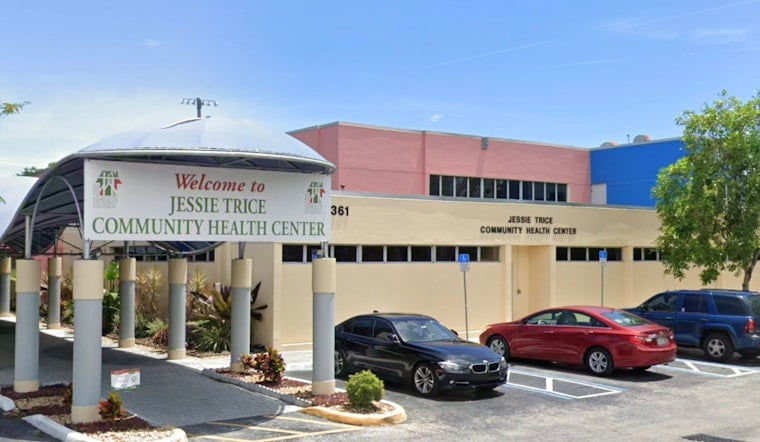
Jessie Trice Community Health System is taking its opioid fight deeper into Miami-Dade neighborhoods with "Better Together," a countywide push to expand outpatient opioid treatment and link patients to medication-based care in local primary-care clinics. Run by JTCHS with research support from the University of Miami, the campaign is designed to move opioid treatment into everyday medical settings while connecting people to wraparound services such as behavioral health, dental care and pharmacy. Organizers say they want to lower barriers to care in communities facing the harshest fallout of the fentanyl era; the dedicated hotline is 786-487-3545.
What the campaign does
In a press release, JTCHS said Better Together will grow medication-for-opioid-use-disorder (MOUD) services in outpatient primary-care clinics, train staff to screen for substance use at every visit, and link patients to counseling and residential programs as needed, according to JTCHS. "No one should have to struggle with opioids alone. It’s better together," JTCHS president and CEO Ryan Hawkins said in the announcement. The system describes the effort as a research-informed outreach program built to meet people where they are, not the other way around.
Medications and rollout
As reported by The Miami Times, the campaign relies on buprenorphine to help blunt cravings and ease withdrawal symptoms while delivering MOUD in neighborhood clinics. The paper notes that JTCHS providers perform substance-use screenings during routine visits and aim to knit together primary care, behavioral health, pharmacy and other specialties under one roof. Organizers say the rollout will start with low-barrier access in the highest-risk neighborhoods before expanding across the county.
Why the push targets Black neighborhoods
JTCHS serves a largely Black patient base: about 61% of its patients identify as African American and roughly 22% are uninsured, according to The Miami Times. "There was about a 45% increase in opioid deaths in the Black population in 2020," Dr. Timothy Tyler told the paper, outlining how fentanyl has shifted the risk landscape in the county. Nationally, about 2.7% of people aged 12 or older - roughly 7.8 million people - misused opioids in 2024, per SAMHSA. A review in the Journal of Racial and Ethnic Health Disparities also found that in some urban centers during the recent fentanyl era, Black opioid-involved death rates outpaced White rates by four to six times.
Services, payment and partners
JTCHS lists a countywide network of clinics, a main pharmacy and a women’s residential substance-use program, and it offers sliding-fee payment plans for patients without insurance, per JTCHS locations page. The system also runs dozens of school-based health suites so students can get care where they attend class. JTCHS and its partners say Better Together will lean on community organizations to knock down practical barriers like transportation and childcare that often keep people from sticking with treatment.
How to get help
If you or someone you care about needs treatment, JTCHS asks residents to call the Better Together hotline at 786-487-3545 or the main appointment line at 305-637-6400. Many services, including MOUD, pharmacy and behavioral health, are available at neighborhood clinics and school sites across Miami-Dade. Organizers say that by widening outpatient access and coordinating care across programs, the campaign aims to reduce overdoses and keep people connected to treatment long after the first visit.





