

























































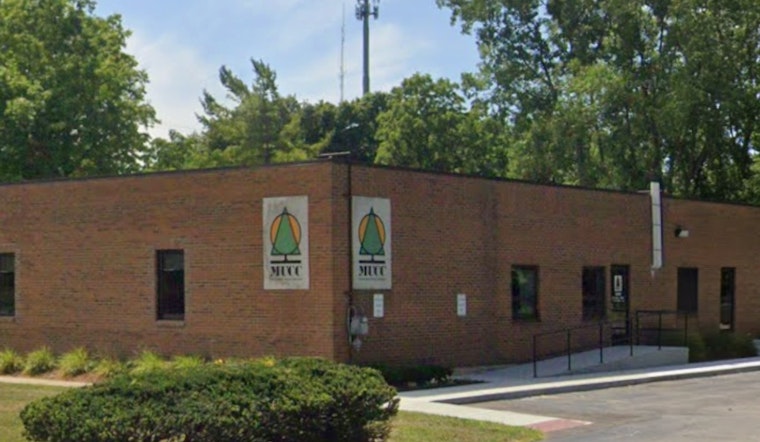
Michigan United Conservation Clubs, the 89-year-old statewide coalition of hunters, anglers and affiliate clubs, says it could shut down if it does not raise $100,000 by May 1. Board leaders have told members their operating cash lasts only into May and that the group has already put its youth camp and two magazines on hold while it hunts for emergency funding. The warning has rattled affiliates that lean on MUCC for advocacy, volunteer habitat work and youth outreach.
According to Bridge Michigan, the executive board has scraped together nearly $24,000 toward that $100,000 goal and launched an emergency fundraising campaign meant to buy time for a longer-term funding plan. President Stephen Dey told the outlet that "over the last 20-plus years, we’ve been selling all of our major assets to operate on." The story was republished by CBS News via the Associated Press.
Financial picture
MUCC's recent tax filings lay out just how tight things are: the organization reported about $1.7 million in revenue and roughly $1.75 million in expenses in 2024, leaving around a $50,000 deficit, and it posted a nearly $390,500 loss in 2023. Those figures and the group's roughly $1 million in net assets are summarized in ProPublica, which aggregates Form 990 filings. The swing from a large gain in 2022 to back-to-back losses is a big part of why leaders say reserves will not last past early May.
What MUCC does
Founded in 1937, MUCC calls itself the largest statewide conservation organization in the nation and runs programs ranging from habitat restoration to youth education and policy advocacy. MUCC credits the group with helping pass the state's bottle-deposit law and creating the Michigan Natural Resources Trust Fund, and it notes a membership base of tens of thousands of individuals and hundreds of clubs. Even with that history, the organization says it has been selling assets and shifting to remote operations to cut overhead.
"I really feel that MUCC has played a major role in preserving our environment as well as our hunting and fishing heritage," Dennis Eade of the Michigan Steelhead and Salmon Fishermen’s Association told CBS News. Affiliate leaders said recruiting younger outdoorists has been a persistent challenge that reduced membership revenue over time, leaving some clubs to consider emergency fundraising of their own. The mix of historical importance and everyday budget shortfalls is what makes the coming days critical for MUCC’s future.
What happens next
If MUCC does not meet its $100,000 target by May 1, the board has said it may begin an orderly dissolution, paying creditors and distributing remaining assets, a step the organization described in messages to members and that was reported by Bridge Michigan. An orderly wind-down can take months and often leaves programmatic work stranded even after papers are filed. State agencies, local clubs and former staff will likely be the ones to decide whether MUCC programs can be preserved by other organizations or archived for historical purposes.
Where to watch next
Board members say they are exploring emergency appeals, membership drives and grant opportunities while they decide whether restructuring is possible; MUCC has been a recent grantee of institutions such as the Mott Foundation, which lists a $75,000 grant for general purposes covering 2024–2026. For basic updates and the organization's formal statements, MUCC maintains a press and membership section on MUCC. Affiliates say the weekend after the May 1 deadline will be telling as clubs weigh stepping up, partnering with other groups, or preparing for a potential transition of services.





