

























































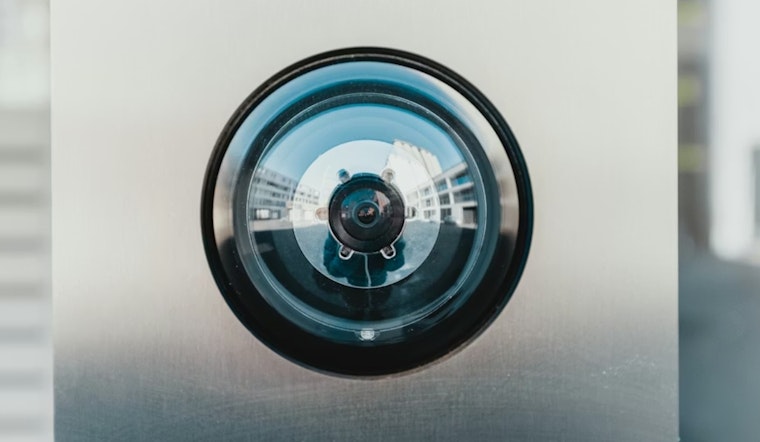
Free doorbell cameras are about to land on Milpitas doorsteps after the City Council signed off on a $60,000 grant to boost residential surveillance, city officials said. The Milpitas Police Department plans to buy roughly 350 to 500 non-subscription devices and give out one per household on a first-come, first-served basis. Residents will be asked to sign up online for distribution events, and the city insists that sharing footage with police will be voluntary. Councilmember Evelyn Chua spearheaded the program, which the council unanimously approved on March 17.
Acting Assistant Chief Tyler Jamison laid out three options for the council and said the department ultimately backed a non-subscription model so residents would not get stuck with a monthly bill, according to SFGATE. Jamison told SFGATE the police have not chosen a camera brand yet and emphasized that devices will stay under homeowners' control unless they decide to share footage. The outlet reported that the $60,000 budget is expected to cover several hundred cameras that will be handed out at community events.
The package also includes training and at least 90 days of data storage for participating households, according to the San Francisco Chronicle. Chua told the Chronicle she modeled the effort on a similar San Leandro program and pitched it as a poverty-sensitive way to bolster neighborhood safety. City officials say their existing digital evidence upload process will be used so police can request video only when residents choose to submit it.
Experts raise alarms
Privacy advocates are not exactly cheering the giveaway, even with the voluntary sharing policy. Matthew Guariglia of the Electronic Frontier Foundation warned that police will undoubtedly expect users to comply when they request footage and cautioned that a spike in cameras can amplify assumptions and racial bias, as reported by SFGATE. UC Berkeley law professor Chris Hoofnagle noted that the Fourth Amendment limits government searches, not what private residents collect, and suggested that a voluntary-sharing setup can keep data collection at arm's length from the city.
How this fits into a wider debate
Milpitas is hardly alone. San Leandro rolled out a free Ring doorbell program last year, according to Patch. The Milpitas plan is also arriving in the middle of a broader fight over easy-to-access surveillance tools, after Santa Clara County recently tightened local access to Flock automated license-plate readers in response to audits and community pushback, as reported in coverage of how the county yanked Flock "spy cams".
The Milpitas Police Department says cameras will be available only to verified city residents at distribution events, with one device per household and proof of residency required, as outlined by KTVU. Officials say they will hold community meetings to walk residents through the installation and how to upload clips if they want to assist an investigation. The department plans to watch demand and add more events if needed.
Legal and civil-rights outlook
Civil-liberties groups have flagged vendor access and prior partnerships between companies like Ring and law enforcement as possible weak points that could expose footage beyond homeowners' control, the Chronicle reported. Advocates argue the city will need firm data-use rules, clear audit trails and transparency around when and how police request footage to prevent mission creep. City leaders maintain that control rests with residents, while critics counter that robust oversight will be crucial if the program grows.
Officials say they will post sign-up links and event dates on the city website and police social channels in the coming weeks. The rollout highlights the tightrope local governments are walking as they try to solve more crimes without losing public trust on privacy and equitable oversight.





