

























































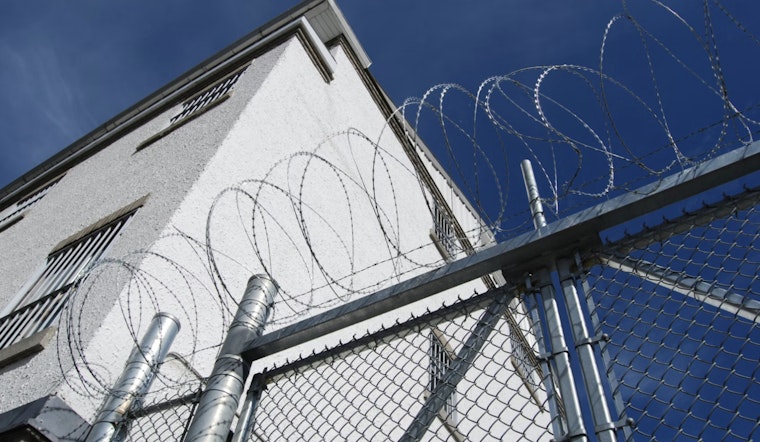
Wisconsin’s criminal justice system is creaking under its own weight, and Milwaukee is standing right under the load. A sweeping new review of the system finds prisons getting older, corrections spending staying high, staffing gaps dragging on and Black residents still far more likely to end up behind bars. The 104-page study released Tuesday lays out decades of data and trends that state and local leaders now have to wrestle with in Madison and Milwaukee.
The report, titled "Cross Examination: A comprehensive review of Wisconsin’s criminal justice system," pulls together years of state and local numbers on arrests, jail populations, prison beds and spending, according to Wisconsin Policy Forum. As of Dec. 31, 2022, Wisconsin’s incarceration rate was 311 people per 100,000 residents, ranking the state 23rd in the nation by that measure. At the same time, county jail populations in 2023 averaged about 20% lower than they did in 2003.
Racial disparities remain stark
The Forum describes racial gaps as a “clear and persistent trend” and finds that Wisconsin has the second-largest Black-white disparity in incarceration rates of any state. The report shows the number of Black people incarcerated dropped to 8,965 in 2023, while the number of incarcerated white adults climbed to 11,627. That shift still leaves Black residents “highly overrepresented” in prison, as reported by Wisconsin Examiner.
Costs and staffing are straining facilities
Even though Wisconsin spends less than the national average on law enforcement and courts, it ranks 12th in the country in per-capita corrections spending, the Forum found. That puts extra pressure on budgets for inmate care and aging facilities. The report also flags deep staffing shortages, including an overall vacancy rate of 14.8% for correctional officers and sergeants and a 42.1% vacancy rate at Green Bay Correctional Institution. An aging prison population is expected to push medical and operating costs even higher. According to Wisconsin Policy Forum, those pressures have contributed to prolonged lockdowns and several deaths at older institutions.
Milwaukee sits at the center
More than two-thirds of Black Wisconsinites live in Milwaukee, and the Forum notes that poverty and concentrated disadvantage there fuel both victimization and incarceration. Local advocates told reporters the report largely matches what they see every day, from crowded cells to long stretches of family separation, as detailed by Wisconsin Examiner. In other words, the statistics in the report look a lot like life on the ground for many Milwaukee families.
What lawmakers face
The Forum warns that costs are likely to climb further after lawmakers and Gov. Tony Evers approved wage increases aimed at slowing turnover among corrections staff. The Associated Press reported that starting pay has risen to roughly $33 an hour. At the same time, Evers’ broader effort to reorganize and shrink parts of the prison system was mostly stripped out by the Legislature, leaving $15 million for planning and not much else, a political tug-of-war that advocates say has slowed meaningful change, according to WPR.
Bottom line
The Wisconsin Policy Forum frames its report as a baseline rather than a grand fix. It offers a map of the trade-offs in front of policymakers, not a single path forward: corrections budgets versus facility repairs, staffing levels versus working conditions, and all of it intersecting with long-running racial inequities. For Milwaukee residents and state lawmakers alike, the message between the lines is blunt. There is no easy way to fix one part of this system without hard choices somewhere else.





