

























































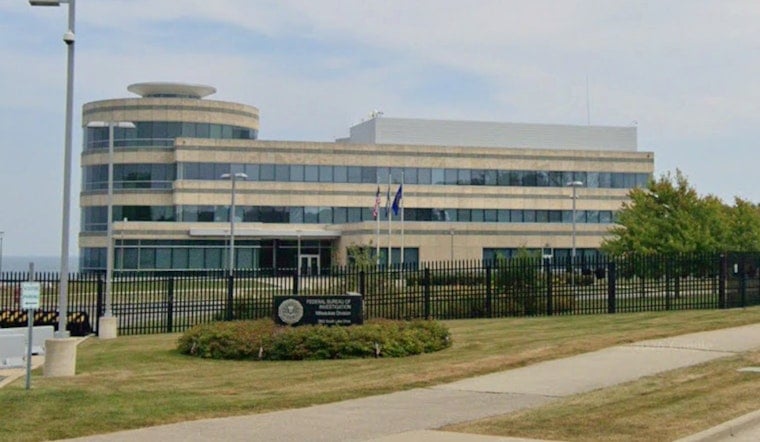
The FBI's Milwaukee field office is sounding the alarm on a shadowy online extremist network known as "764," warning that the group is actively targeting children and teens in Wisconsin and across the country. Parents and caregivers are being urged to watch closely for signs of grooming, coercion and blackmail that can start on ordinary social or gaming apps and spiral into something far darker.
According to the FBI, 764 is a decentralized online network that pressures vulnerable young people to create graphic or self-harm content. Predators then use that material to blackmail and further manipulate victims, trapping kids in a cycle that can be hard to break without outside help.
As reported by CBS58, the Milwaukee advisory, issued April 22, says members of 764 befriend minors on social media and gaming platforms before demanding videos or images that escalate into sexual or violent acts. The station cites local FBI guidance that these adults often zero in on youths who are struggling with mental health or who have limited support at home or in their community.
Federal authorities have treated 764 as a transnational child-exploitation threat. Last year, the Department of Justice charged two alleged leaders, Leonidas Varagiannis, known online as "War," and Prasan Nepal, known as "Trippy," with operating an international child-exploitation enterprise. Prosecutors describe the network's tactics as coercive and accelerationist and say those high-profile cases helped prompt the FBI's broader warning to parents, schools and youth-facing professionals.
Here in Wisconsin, the federal spotlight on 764 has already led to boots-on-the-ground action. A search warrant and device seizures in suburban Franklin were detailed in reporting by WISN 12, which reports that agents recovered phones and laptops that allegedly contained graphic images and chat logs linking a juvenile to the network. According to WISN 12, the juvenile matter has been handled as an investigation and court records remain sealed.
How Families Can Respond
The FBI's national advisory lays out several red flags for caregivers. Sudden secrecy around phones or game consoles, unexplained gifts, increased isolation or talk of being blackmailed can all be signs that something is seriously wrong. The agency urges parents not to panic, but to preserve messages, screenshots or other digital evidence and report concerns promptly to the Internet Crime Complaint Center (IC3).
The advisory also encourages schools, clinicians and parents to contact local law enforcement and to call or text 988 if a child is in an immediate mental health crisis. That guidance appears on the FBI advisory page and is part of a larger push to get adults talking openly with kids about what is happening on their screens.
Legal Context
The indictments brought by the Department of Justice against the two alleged 764 leaders accuse them of running a global child-exploitation enterprise and describe the group's aims as "nihilistic violent extremist." Prosecutors say in court filings that the network coerced victims into self-harm and exploitative sexual material. Those cases were brought under Project Safe Childhood, the federal initiative that targets online child exploitation.
As in all criminal cases, the defendants are presumed innocent until proven guilty in court. Prosecutors say investigations remain active as authorities work to identify additional victims and suspects who may be linked to 764 or similar online operations.
If you suspect a child has been targeted, the FBI asks that you contact your local field office or submit a tip online. The Milwaukee field office lists its phone number and street address on its public contact page. For parents and caregivers facing urgent concerns about suicidal thoughts or self-harm, help is available by calling or texting 988 to reach the Suicide & Crisis Lifeline.





