

























































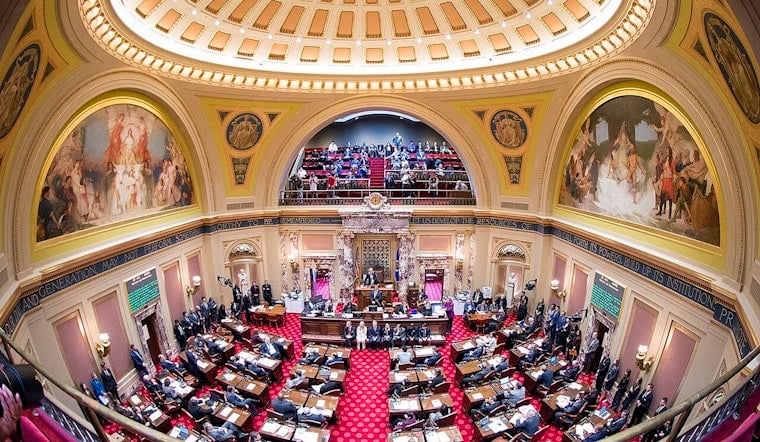
On Wednesday, the Minnesota Senate voted unanimously to outlaw AI "nudification" tools, the kind of apps and websites that can turn everyday photos into hyperreal sexual images of unsuspecting people. Supporters say the measure, which now heads to Gov. Tim Walz, would make Minnesota the first state to explicitly ban this technology and would hand new legal weapons to victims.
What the bill bans
Under the proposal, operators of websites, apps or software that create or edit images would be barred from allowing users to "nudify" a photo or video. The bill defines nudification as altering an image to reveal an intimate part or producing a depiction so realistic that a reasonable person would believe it is real, according to the Revisor of Statutes. The text also sets up a private right of action that lets injured people seek compensatory, treble and punitive damages, along with injunctive relief and attorney fees.
Unanimous vote and lawmakers' comments
The Senate signed off on the measure in a 65-0 vote on Wednesday, per FOX 9. The House had already moved its companion bill the previous week in a 132-1 vote, according to CBS Minnesota. Sen. Erin Maye Quade praised the near-total consensus, saying, "Today, we led the nation protecting women, children and everyone in public life," as reported by FOX 9.
Penalties and enforcement
The bill gives the attorney general authority to enforce the ban and seek civil penalties of up to $500,000 for each unlawful access, download or use of the technology, directing recovered funds into grants for victim services, according to the Minnesota Senate bill summary. In addition to financial penalties, courts would be able to order companies to stop offering nudification tools to Minnesotans and to award victims damages for mental anguish and other harms.
Constitutional questions and national context
Legal experts have warned legislators that a law aimed at the creation of images could run into First Amendment challenges, and similar proposals are now being debated in other states, AP News reported. Advocates told lawmakers that cutting off the creation of nonconsensual intimate images in the first place, rather than only trying to scrub them from the internet after they spread, is critical because the content can be rapidly amplified and is often impossible to fully erase.
What comes next
The bill now lands on Gov. Tim Walz's desk. If he signs it, the measure is written to take effect on August 1, with the bill text listing an effective date of August 1, 2025, per the Revisor of Statutes. Supporters argue it would be the first law of its kind in the United States, an assessment highlighted in coverage by PetaPixel, though civil-liberties groups and some free-speech lawyers could still test the new rules in court.





