

























































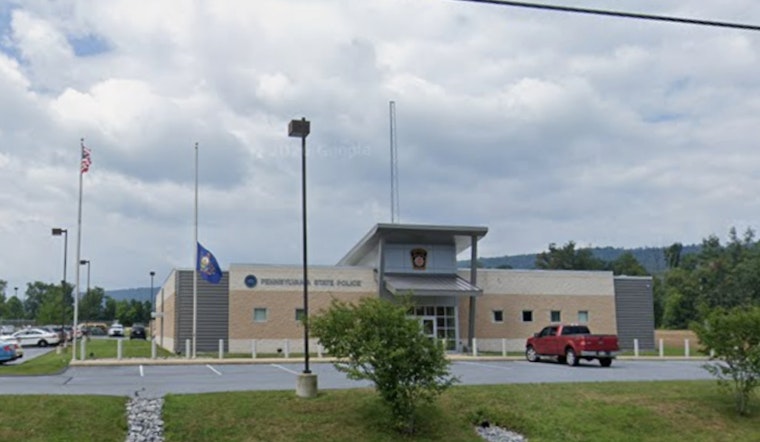
A Pennsylvania state trooper based in Montgomery County pleaded guilty Wednesday to using state computers and police databases to build AI-generated pornography, according to court filings. Prosecutors say the trooper, Stephen Kamnik, pulled images from government records and spliced them with videos he secretly recorded inside state police barracks. Some of the files allegedly depicted children, and Kamnik acknowledged possessing those images during his brief appearance in court. He has been on unpaid leave since the probe began and will be sentenced after a court-ordered evaluation.
Kamnik, 38, has served with the Pennsylvania State Police since 2011. In court, he admitted creating AI images using photos he accessed through the state’s driver’s-license system and other databases, according to NBC10 Philadelphia. Prosecutors told the judge the stash included deepfakes of celebrities, state officials and at least one local judge he allegedly recorded inside the barracks without her knowledge.
Prosecutors' account
The Pennsylvania Office of Attorney General says its criminal investigation, paired with an internal-affairs review by state police, found that Kamnik used Commonwealth devices while on duty to gather photos and secretly record dozens of people. The findings describe him repeatedly entering a women’s locker room at state police barracks to capture images and video. As outlined by the Pennsylvania Office of Attorney General, prosecutors ultimately filed a lengthy list of counts, including sexual abuse of children, unlawful use of a computer, unlawful duplication and alleged wiretap violations.
Files seized and audit findings
Internal audits of state equipment reportedly flagged unusually high bandwidth use on one of Kamnik’s workstations. Investigators then seized a hard drive that held a large cache of pornographic material, local reporting found. Law enforcement summaries from the original probe and The Philadelphia Inquirer described thousands of stored images, including AI-generated deepfakes.
Plea and next steps
At Wednesday’s hearing, Kamnik pleaded guilty to a reduced set of charges. Prosecutors described the resolution as covering “just over a dozen” counts, and the court ordered a pre-sentencing evaluation before a formal sentencing date is set, according to NBC10 Philadelphia. Attorneys on both sides declined to comment after the hearing, and officials say internal and criminal reviews by state police and the attorney general’s office are still underway.
Legal context in Pennsylvania
Pennsylvania has been tightening its laws around nonconsensual AI-created sexual imagery. State guidance notes Act 125 and follow-up changes that allow prosecutors to pursue cases involving AI-generated child sexual abuse material and that expand penalties for forged digital likenesses. The official guidance explains that these reforms are meant to give law enforcement new tools when generative AI is used to fabricate sexual content or exploit personal data, according to the Commonwealth of Pennsylvania.
Background
Hoodline first reported on Kamnik’s indictment in January 2025, when state police and the attorney general’s office publicly confirmed the investigation and initial charges. For more detail on how the case started, see our earlier report on his indictment. His guilty plea now moves the case into a new phase, one that has already sparked broader questions about who can access sensitive government data, how officers are monitored while on duty and how quickly the law can catch up to the misuse of generative AI.



