

























































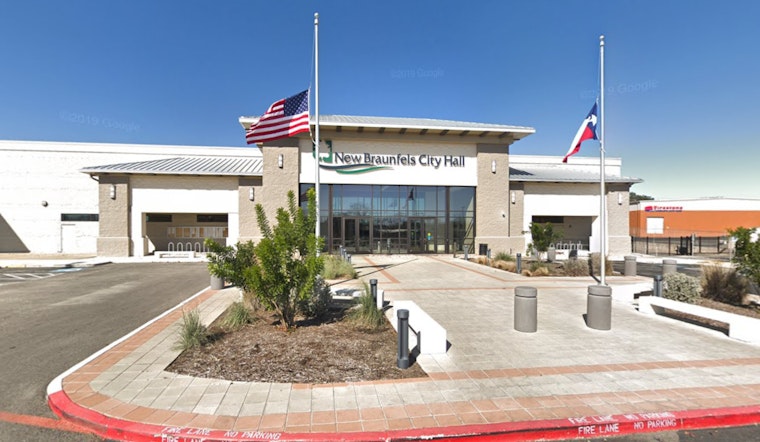
New Braunfels is shaking up how some 911 calls are handled, rolling out a partnership that lets virtual doctors step in for certain non-urgent emergencies. Instead of automatically sending an ambulance, the city will route some callers to a telemedicine clinician who can assess the situation remotely, with the goal of keeping ambulances open for truly life-threatening crises and cutting back on unnecessary emergency room trips.
Officials announced the program Wednesday and said it effectively rewires part of the 911 system so that low-acuity calls can be handled by telemedicine clinicians rather than by default ambulance dispatches, according to KENS5. The station reported that call takers will screen incoming emergencies and, when it appears safe to do so, offer a remote consultation with a licensed clinician who can provide an assessment, care instructions or referrals.
How the virtual triage will work
Dispatchers will still answer 911 calls as usual, but if a situation appears non-urgent, it can be flagged for a telemedicine consult. City leaders say that extra layer of triage should help determine who truly needs an ambulance at their door and who can be treated at home after speaking with a clinician.
The idea, officials explained, is to match each caller with the right level of care as quickly as possible, whether that means an ambulance ride or advice and follow up without leaving the house.
Officials say it will free up crews
City leaders told KENS5 they expect the shift to cut down on unnecessary ambulance runs and trim wait times for the highest-priority calls by keeping crews available for patients who truly need an on-scene response. The rollout will include training for 911 dispatch staff, and officials plan to keep a close eye on data such as transport rates and response times to see how well the system is working.
Where this fits in Texas policy
Texas lawmakers have already shown interest in emergency telemedicine, with state legislative materials pointing to pilot projects that explore how telehealth might ease pressure on EMS and hospital emergency departments, according to the Texas Legislature. New Braunfels officials say they will monitor results locally, adjust the program as needed and continue tracking how remote triage affects response times and patient outcomes.





