

























































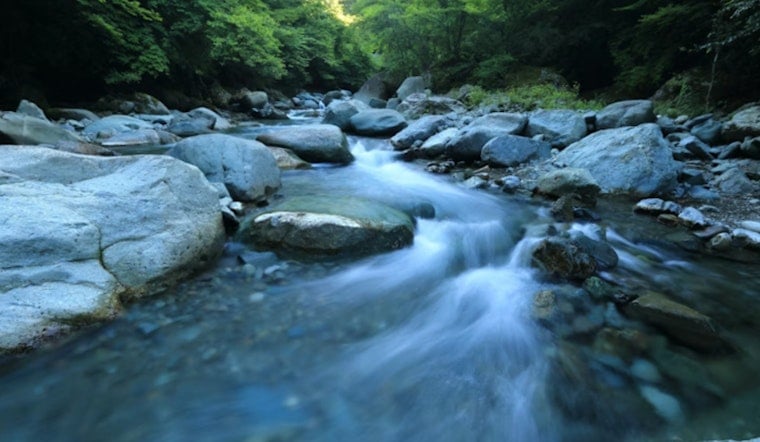
Stark new photos of Comal Springs, the bubbling headwaters that feed New Braunfels’ Comal River, are racing around local feeds and rattling nerves. Stretches of spring run that carried steady flow in 2019 now look almost bare. A side-by-side comparison and another image of a deer lying where water once pooled have quickly become a visual shorthand for growing worries about Hill Country groundwater. For residents and river businesses, the pictures land as a sharp reminder that spring flows can change fast.
The images were shared by the nonprofit Headwaters at the Comal and drew wider coverage in a MySA story by Nicholas Hernandez. The post pairs a 2019 photo with one taken April 11, 2026, and reads, “Two moments in time. Same spring run. Different conditions,” while urging simple conservation steps such as fixing leaks and cutting back on irrigation. The side-by-side has spread quickly across social platforms and stirred fresh conversations among local officials and conservation groups.
What the flow data show
Comal Springs are fed by the Edwards Aquifer, and the U.S. Geological Survey reports that the long-term average flow for the Comal River is about 284 cubic feet per second. When total springflow drops below roughly 130 cubic feet per second, upper spring runs can stall out, a threshold that puts several spring-dependent species and their habitat at risk. Managers and scientists rely on USGS monitoring and the Edwards Aquifer Authority’s habitat plan to steer pumping limits and habitat work. U.S. Geological Survey.
Not an isolated sight across the Hill Country
Similar before-and-after posts have surfaced at Jacob’s Well in Hays County, where officials say prolonged low flows reflect a mix of limited recharge and pumping pressures on the Trinity Aquifer. Local conservation groups and Hays County officials have put a spotlight on protecting recharge zones, and recent land protections such as the Karst Canyon Preserve are aimed at shoring up the aquifer that feeds Jacob’s Well. Those land-protection moves, paired with monitoring and permit reviews, are part of a broader strategy that conservationists say is needed to keep spring flows going. Watershed Association; coverage of Jacob’s Well conditions has been documented by regional reporters.
What officials and managers are doing
The Edwards Aquifer Authority runs a habitat conservation plan that combines temporary pumping restrictions with on-the-ground restoration and monitoring, all aimed at protecting spring-dependent species and downstream users. Local nonprofits and utilities have also promoted low-impact development and stormwater-capture projects at the Comal headwaters to slow runoff and help recharge the aquifer. County bond programs, targeted land purchases and tighter permitting in recharge zones are among the policy tools communities are using as they weigh rapid growth against long-term water security. Edwards Aquifer Authority.
Photographs like the Comal comparison are a blunt public reminder that springs once taken for granted can change quickly, and that recovery will depend on seasonal rainfall patterns, long-term groundwater management and everyday conservation choices. For now, officials and conservation groups are sticking to the basics, urging households to fix leaks, dial back irrigation and plant more native species as small but useful steps to help protect the springs that support wildlife and an outdoor recreation economy in the Hill Country.





