

























































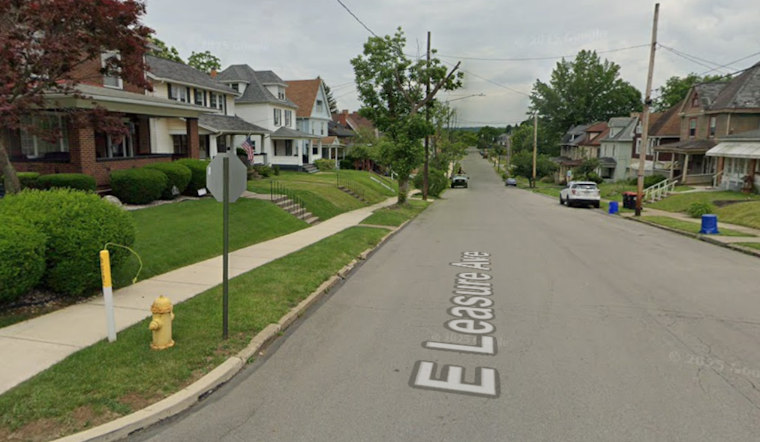
A warrant arrest in New Castle turned unexpectedly hazardous on Sunday when a police officer was pricked by a needle while taking 36-year-old Kayla M. Jones into custody on East Leasure Avenue, according to police. Jones was being arrested on outstanding warrants when, during the encounter, the officer sustained a puncture from what authorities described as a sharp object. The department has opened an investigation into the incident.
According to the New Castle News, Jones was arrested on the outstanding warrants, and the puncture occurred during the arrest on East Leasure Avenue. The outlet reported that police did not immediately release further details about the officer’s condition or any follow-up testing, and it was not clear from the report whether prosecutors planned to pursue additional charges tied specifically to the puncture.
What Sharps Exposures Mean For Officers
Federal guidance warns that needlestick and other sharps injuries can expose officers to bloodborne pathogens and advises that departments maintain exposure-control plans and training to reduce risk. The National Institute for Occupational Safety and Health recommends safe-search techniques, prompt medical follow-up, and thorough documentation to reduce exposure risk and support employees who are injured in such incidents. Clinical guidance estimates the risk of HIV transmission from a single percutaneous needlestick at roughly 0.3% and the risk of hepatitis C at about 1.8%, which is why departments typically arrange testing and medical follow-up after these kinds of incidents (NCBI).
What Comes Next
New Castle News reported that it was not immediately clear whether additional charges tied to the puncture would be filed and that prosecutors had not released a statement. Under federal rules, employers must provide post-exposure evaluation and follow-up for bloodborne exposures and must document sharps incidents, procedures that many departments follow after officer exposures (OSHA). Police have not released further details beyond the initial report.



