

























































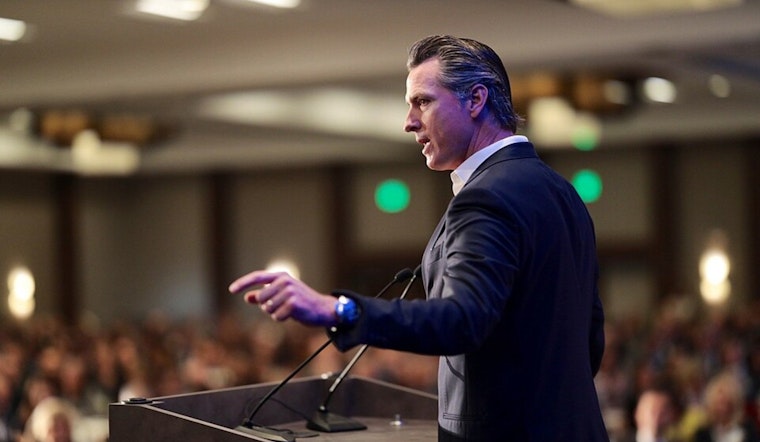
Governor Gavin Newsom’s proposed 2026–27 budget could yank a key financial lifeline from Medi-Cal mobile crisis teams, shifting the state’s share of costs to counties and potentially forcing cuts to programs that respond to mental health emergencies without police. In the North Bay, officials warn that teams in Sonoma and Lake counties - including Santa Rosa’s inRESPONSE program and Lake County’s nine-person unit - might have to shrink or shutter, even though they run around the clock and routinely steer people away from emergency rooms and jails. Local leaders say that without the state contribution and the temporary federal match, smaller and rural counties would struggle to keep alive the services they only recently managed to build.
How the budget would change funding
Under the 2026–27 proposal, the Medi-Cal mobile crisis benefit would be reclassified as an optional service starting April 1, 2027, which would leave counties on the hook for the non-federal share of costs, according to the Legislative Analyst's Office. That schedule lines up with federal rules: the American Rescue Plan’s enhanced 85 percent federal match for qualifying mobile crisis services expires March 31, 2027, per the Centers for Medicare & Medicaid Services. The Newsom administration has proposed temporary funding to keep the benefit going through 2025–26 and 2026–27, but officials say that continuing it past the federal deadline would require fresh state General Fund spending.
North Bay teams say they’re on the brink
Across the North Bay, county and city mobile crisis programs expanded while the enhanced federal match and one-time state money were flowing, and they now face a steep local bill if the benefit becomes optional. The Press Democrat reports that Lake County officials estimate they would need about $900,000 to $1.2 million each year just to keep their mobile crisis unit operating, and that the team billed Medi-Cal for 418 crisis encounters in fiscal year 2024–25. Sonoma County has leaned on Measure O, the quarter-cent sales tax voters approved in 2020, to support local efforts like Santa Rosa’s inRESPONSE team, which runs 24/7 and regularly takes calls that would otherwise land with police or hospital emergency departments.
State grants helped build the system
Much of the new mobile crisis network was pieced together using a mix of federal match dollars, one-time state grants and bond funding aimed at beefing up crisis infrastructure. The state’s Behavioral Health Continuum Infrastructure Program has awarded more than $202 million to county, city and Tribal grantees to bolster mobile crisis units and related facilities, according to the California Department of Health Care Services. That money bought vans, staff positions and specialized training - investments counties say could be left stranded if they cannot find steady operating funds to keep those teams on the road.
Counties and advocates push back
The County Behavioral Health Directors Association has urged lawmakers to scrap the proposed change, warning that shifting the mobile crisis benefit to optional status “will open up new gaps in our safety net,” Executive Director Michelle Doty Cabrera wrote in a statement to CBHDA. Local officials argue that if counties are forced to scale back mobile crisis teams, the need for help will not vanish; it will simply get pushed back onto 911 operators, emergency rooms and law enforcement. County behavioral health directors say they will lobby the Legislature for alternatives, but caution that any fix is unlikely to be instant and could leave coverage gaps this spring.
What happens next
The budget proposal now heads to the Legislature, where lawmakers will decide whether to go along with the administration’s plan to redesignate the benefit or to keep mobile crisis services funded as a statewide Medi-Cal offering. A Department of Finance spokesperson told The Press Democrat that extending enhanced support for mobile crisis programs beyond March 2027 would cost the state General Fund about $170 million annually, a price tag that could heavily influence whether legislators are willing to plug the hole. County leaders say they will be pushing for targeted hold-harmless funding, rate adjustments or other workarounds, while acknowledging that any patchwork solution will likely be uneven and could leave rural communities particularly exposed.




