

























































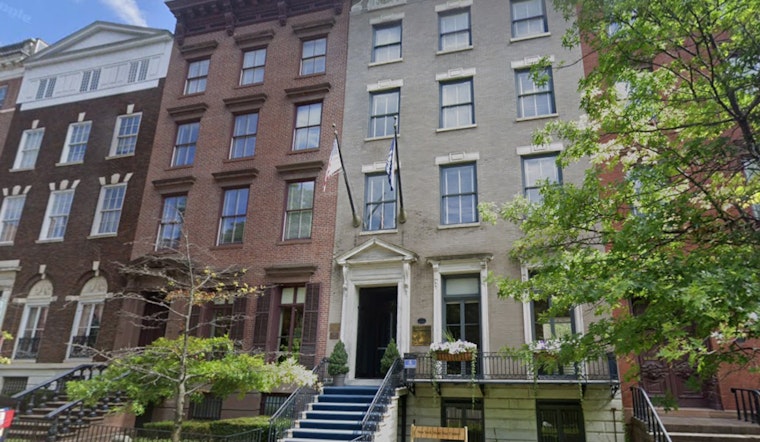
The New York State Bar Association is jumping into the immigration fight, backing a slate of bills that would guarantee lawyers for people locked up in New York and facing deportation. On April 11, the association’s House of Delegates voted to support legislation that aims to close a long-standing gap in legal representation for detained immigrants, arguing that too many New Yorkers are being hauled into removal proceedings without anyone in their corner.
On Saturday, the House of Delegates formally adopted a report from the association’s Committee on Immigration Representation and pledged to push for several measures to expand access to counsel, according to the New York State Bar Association. The group also called on private law firms to step up pro bono work and said it will lobby for increased funding for the Office of New Americans within the New York State Department of State. The recommendations were led by Karin Anderson‑Ponzer, chair of the committee and director of legal services at Neighbors Link Community Law Practice.
According to the Vera Institute of Justice, the representation gap is still glaring. Nearly 30 percent of people facing deportation in New York do not have attorneys, and roughly 40 percent of detained immigrants appear in court alone. Vera’s monthly Immigration Court Legal Representation Dashboard and related research have helped fuel the push for so-called universal representation. Local defenders often point to the New York Immigrant Family Unity Project as proof that giving detained immigrants lawyers can dramatically change case outcomes.
What NYSBA Is Backing
The bar association is backing several bills, with the BUILD Act at the top of the list. That measure would pump workforce and capacity-building grants into legal services across the state. The BUILD Act, filed in the Senate as S4538, is designed to shore up existing legal providers and bring more attorneys into immigration work. NYSBA has also thrown its support behind the New York for All Act and the Sanctuary Hospitals Act, framing them as part of a broader effort to protect sensitive locations and curb local participation in federal immigration enforcement.
Enforcement Trends Make The Issue Urgent
Advocates say the timing is not accidental. Around the country, more local law enforcement agencies are partnering with U.S. Immigration and Customs Enforcement, increasing the chances that a traffic stop or minor arrest can turn into a deportation case. Reporting from ProPublica has documented a surge in 287(g) agreements, which deputize local officers to act with certain federal immigration powers. The New York Civil Liberties Union has flagged a growing list of New York counties, including Broome, Nassau and Rensselaer, with active agreements. NYSBA officials argue that those local entry points into the federal system make a statewide right to counsel, backed by serious investment in legal capacity, a basic due-process safeguard rather than a luxury.
Legal Implications
The Access to Representation Act, the bill that would actually create a statutory right to counsel in immigration court, lays out how that system would work. It would require the state to set up a dedicated fund, place administration with the Office for New Americans and create an advisory committee to establish standards and reporting requirements. Filed in the Senate as S9756, the bill spells out when the right to a lawyer would attach and details the administrative framework needed to deliver those services. That right would depend on annual budget appropriations and on expanding the pool of trained immigration attorneys, which is why NYSBA paired the push for a statutory guarantee with calls for more funding and workforce development.
For now, all of the proposals are sitting in Albany committees and will not move without lawmakers agreeing to both spend the money and build the infrastructure the bar association has outlined. The New York State Bar Association says it plans to press for budget and legislative action while urging the private bar to ramp up pro bono representation. Legal-service providers argue that state action could plug immediate holes in the system, even as longer-term capacity is built to keep pace with enforcement trends.


