

























































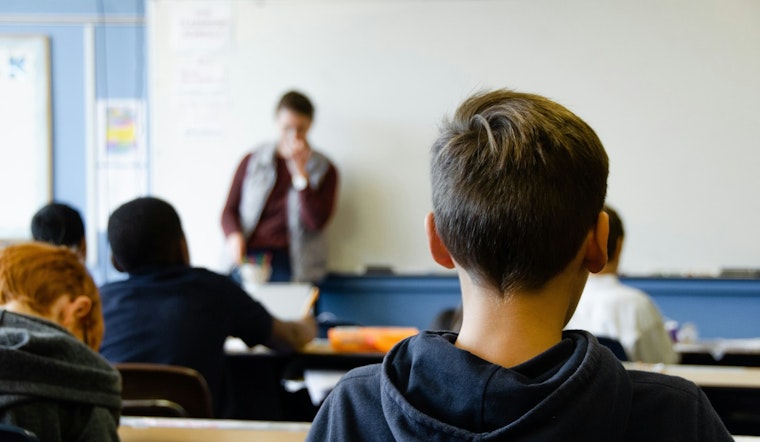
New York City public schools are rolling out new materials on Jewish and Muslim American history this year, an effort to counter a rise in religion‑based bullying and threats aimed at students. Instead of one‑off assemblies or emergency meetings after an incident, the city wants these conversations woven into everyday social‑studies lessons, giving students a fuller view of American history and who is in the room with them.
The resources fall under the Department of Education’s Hidden Voices project. A Jewish Americans guide was piloted and the city plans to circulate the materials systemwide in the 2025–26 school year, according to the New York City Department of Education. Local coverage has pointed out that the Jewish volume follows an earlier Hidden Voices guide on Muslim Americans and that both were developed with community partners, JTA reported.
Why the City Moved Now
City numbers underscored the urgency. The Office for the Prevention of Hate Crimes found that anti‑Jewish incidents made up 56% of religion‑based hate‑crime complaints in 2025, a concentration that officials say they could not ignore. Educators argue that when students learn historical context in class, they are less likely to rely on half‑baked narratives picked up from social media or group chats.
How Lessons Look in the Classroom
In pilots in Brooklyn and other boroughs, students are digging into primary sources and studying figures such as labor leader Rose Schneiderman to trace American Jewish and Muslim contributions beyond Holocaust lessons or quick comparisons of religious practices. At least 33 schools opted into early use of the materials, The New York Times reported. Teachers say the guides are meant to slide into existing social‑studies units rather than sit off to the side as a separate elective that only a few students ever see.
Other Districts Are Choosing Different Tools
Elsewhere, some officials are focusing less on what is taught to students and more on who is in charge. In Maryland, lawmakers passed a measure that requires county school‑board members to complete anti‑bias training, a move supporters say will sharpen how leaders recognize and respond to incidents in schools, according to the Maryland General Assembly. National coverage and civil‑rights reporting point to a broader pattern: groups such as the ADL and independent reporting have connected much of the recent rise in antisemitic incidents to Israel‑related protests and campus turmoil, complicating how schools juggle student safety with free‑speech rights, AP noted.
Teachers and Experts Say Implementation Matters
Advocates and curriculum writers caution that glossy supplements are only as good as the training and time behind them. The DOE says pilot schools will take part in professional learning and focus groups while the materials are refined. The JTA reports that Hidden Voices guides include primary sources, classroom prompts and notes on how to support students so lessons do not single out children for their beliefs or ask them to speak for an entire community.
Whether these new units actually reduce harassment will hinge on follow through; the books, guides and stated commitments still have to compete with crowded schedules and testing calendars. For additional context and snapshots of how teachers are trying to respond, see reporting by The New York Times.



