

























































A powerful magnitude 7.4 earthquake rocked the Pacific off the Sanriku coast of northern Japan on Monday, striking about 100 kilometers east-northeast of Miyako in Iwate Prefecture. The shallow offshore jolt set off tsunami alerts along parts of the Tohoku shoreline as authorities watched the coast and checked for any signs of damage.
The U.S. Geological Survey flagged the quake on social media, reporting a preliminary magnitude of 7.4 and the location near Miyako, according to USGS Earthquakes on X. The U.S. Tsunami Warning System recorded the event with an origin time of 2026-04-20T07:52:56Z and a shallow depth of about 10 kilometers, per tsunami.gov.
Tsunami alerts and coastal evacuations
Japan’s Meteorological Agency issued tsunami advisories for sections of the Sanriku coast, and public broadcaster NHK warned that waves of up to about 3 meters could arrive, as reported by AP News. Local officials urged residents in low-lying coastal towns to follow evacuation instructions and stay away from harbors and beaches while the forecasts are updated.
The Japan Meteorological Agency runs a real-time seismic and tsunami monitoring network and issues regional advisories when coastal flooding is possible, with its operational overview detailing how those rapid bulletins are produced. As outlined by the Japan Meteorological Agency, people in affected zones are advised to obey local evacuation orders and stick with official bulletins until all warnings are lifted.
Pacific watch: Hawaii and U.S. West Coast
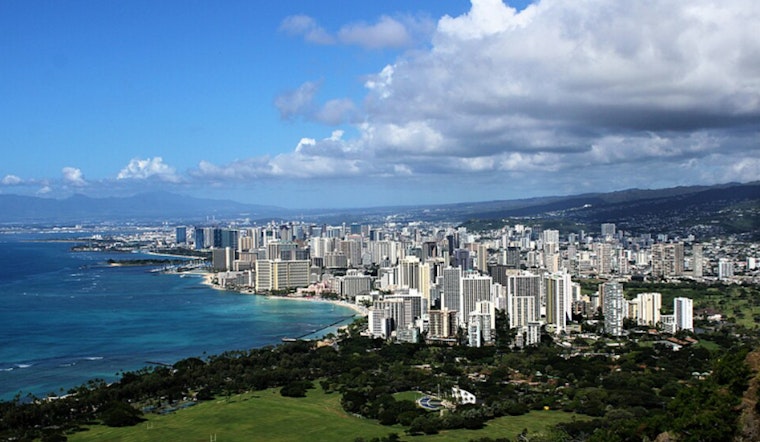
On the other side of the ocean, U.S. tsunami centers tracked the quake and pushed out bulletins on the NOAA tsunami portal while trans-Pacific forecasts were being calculated. The U.S. Tsunami Warning System listed detailed event data and monitored whether any waves might reach Hawaii or other U.S. Pacific territories.
Seismologists expect aftershocks in the hours and days after a quake of this size, and agencies routinely caution that significant follow-up shaking is possible, according to guidance from the U.S. Geological Survey. Residents and travelers in the region are being urged to keep an eye on updates from local authorities and official warning centers as the situation continues to unfold.





