

























































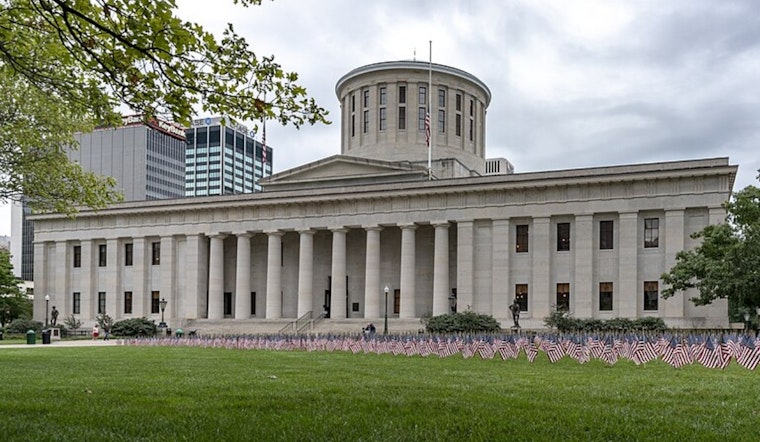
A statewide coalition of more than 1,300 Ohio businesses and advocacy groups is back in action this week, relaunching a campaign to push lawmakers to pass the Ohio Fairness Act and explicitly bar discrimination against LGBTQ+ people. Organizers are pitching the effort as both an economic play and a civil-rights push, arguing that clear statewide rules make it easier for companies to recruit and keep talent. Executives and advocacy leaders from Cleveland, Columbus, and beyond have been speaking out as the coalition prepares to ramp up outreach at the Statehouse.
Business coalition revives statewide push
As reported by NBC4, the relaunch, organized under the banner Ohio Business Competes, brought out leaders, including Michelle Tomallo of Cleveland-based FIT Technologies, who urged lawmakers to act. Tomallo told NBC4 that "inclusive policies matter as companies compete for talent in a tight labor market," and coalition organizers say visible business backing is intended to change the conversation in Columbus. The campaign blends corporate spokespeople with civil-rights groups to broaden pressure on lawmakers heading into the spring legislative calendar.
Coalition partners and scale
The ACLU of Ohio describes Ohio Business Competes as a project of allied organizations that includes Equality Ohio, TransOhio and the Human Rights Campaign, framing the push as a partnership between nonprofits and employers. A press release from the ACLU of Ohio says the network now tops roughly 1,300 member businesses and institutions. The coalition’s own site underscores the economic argument, saying nondiscrimination protections "send a clear and consistent signal" to investors and job-seekers across the state. Ohio Business Competes
What the Ohio Fairness Act would do
Backers say the Ohio Fairness Act would explicitly prohibit discrimination based on sexual orientation and gender identity in employment, housing, and public accommodations, as summarized in recent reporting on the bill. According to coverage in the Springfield News-Sun, supporters argue the measure would bring state law more in line with the U.S. Supreme Court’s Bostock decision while closing gaps in areas the federal ruling does not expressly cover. Despite repeated reintroductions, past versions of the bill have stalled in committee and failed to reach the governor’s desk.
Patchwork protections on the ground
Instead of a statewide statute, many Ohio municipalities have adopted local nondiscrimination ordinances that extend protections for LGBTQ+ residents, according to data compiled by the Movement Advancement Project and municipal indexes. Advocates say that patchwork leaves workers and customers vulnerable when they cross local lines, and it complicates compliance for employers operating in multiple jurisdictions.
Outlook at the Statehouse
Organizers say the relaunch will lean on direct lobbying and outreach to lawmakers, centered on the economic case for a single statewide standard. Dwayne Steward of Equality Ohio called the effort "a very powerful coalition," and ACLU of Ohio staffer Nicole Curet told NBC4 that "religious freedom is not a license to discriminate," comments that coalition leaders say capture both the policy stakes and the values they want to highlight. For now, the group’s immediate goal is to keep the Ohio Fairness Act on lawmakers’ radar as the legislative session continues.
Whether this renewed business push will translate into votes in Columbus remains uncertain, but the strategy is clear: tie nondiscrimination language to workforce and investment concerns and let employers make the case on the record. Organizers say they will continue to add member employers and hold meetings across the state as the debate moves forward.




