

























































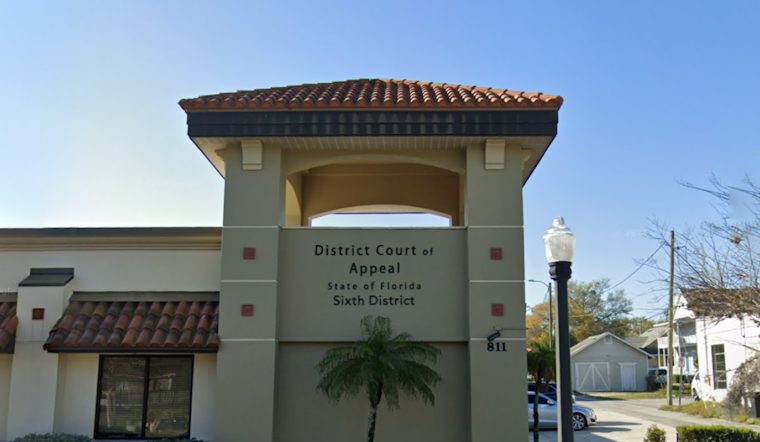
Orlando attorney Bruce Burtoff has been sitting in the Orange County Jail since March 4, locked up after a judge found him in contempt for refusing to reveal the names of two anonymous clients who sued their homeowners association. The 77‑year‑old lawyer is still behind bars while he pursues an emergency appeal, turning a neighborhood dispute into a high‑stakes fight over attorney‑client confidentiality and a court’s power to enforce its orders in a long‑running HOA war.
In an emergency petition filed April 6 in the Sixth District Court of Appeal, Burtoff’s lawyer asked the court to throw out the contempt order, arguing that forcing him to identify the “Jane Doe” and “Joe Doe” plaintiffs would violate the Rules Regulating The Florida Bar and the attorney‑client privilege, as laid out in a filing with the Florida courts. “Immediate intervention is required to restore his liberty,” the petition states. The paperwork traces a series of trial‑court orders, a February 11 contempt proceeding, and an amended writ of bodily attachment that culminated in his March 4 arrest.
The underlying case dates back to 2020, when homeowner Lynn Sandford and two anonymous neighbors sued the North Shore at Lake Hart Homeowners Association, accusing it of mismanaging the roughly 1,049‑home community. The trial court dismissed their fifth amended complaint with prejudice in October 2023, a decision the Sixth District Court of Appeal affirmed on November 25, 2025, according to the Sixth District Court of Appeal. Community newsletters and the HOA’s website document the long, winding procedural history, and the neighborhood identifies itself as North Shore at Lake Hart on the North Shore at Lake Hart HOA site.
How the court responded
Circuit Judge John Jordan ordered the anonymous plaintiffs to show up in court with identification in late January, then directed Burtoff to hand over their names and contact information by February 3. When the Does did not appear, and Burtoff still refused to identify them, the court held a brief contempt hearing on February 11 and issued an order that included a purge condition and a $500‑per‑day fine. Deputies later executed an amended writ and booked Burtoff into jail on March 4, according to court records. Judge Jordan has since disqualified himself from the case, and separate coverage notes he agreed to a public reprimand in an unrelated ethics matter, as reported by ClickOrlando.
Legal implications
Civil contempt orders that include a purge provision are meant to be coercive rather than punitive, since the person held can walk free the moment they do what the court demands. In practice, that can put lawyers in a tight corner when client confidentiality is on the line. Burtoff’s filings lean heavily on professional‑conduct rules about secrecy and on the idea that attorneys should be able to fully pursue appellate review before being forced to reveal client names, a tension reflected in ethics guidance from The Florida Bar.
Sandford, the only plaintiff to publicly attach her name to the lawsuit, told reporters she was very disappointed and near tears over Burtoff’s incarceration. The association has said that defending the case has been expensive, and court filings, along with HOA communications, back that up: by October 2023, legal expenses had topped $116,200, and the HOA later reported that the total surged past $300,000 the following year, a detail noted in coverage by WKMG and in the North Shore at Lake Hart HOA newsletter.
For now, Burtoff remains in custody while the Sixth District weighs his emergency petition, and the appeals court has not yet signaled when it will rule. The outcome will help define how far a trial court in Florida can go in forcing lawyers to identify former clients while privilege concerns and appellate review are still in play, and it could shape how future anonymous challenges to local boards are handled in state courts.





