

























































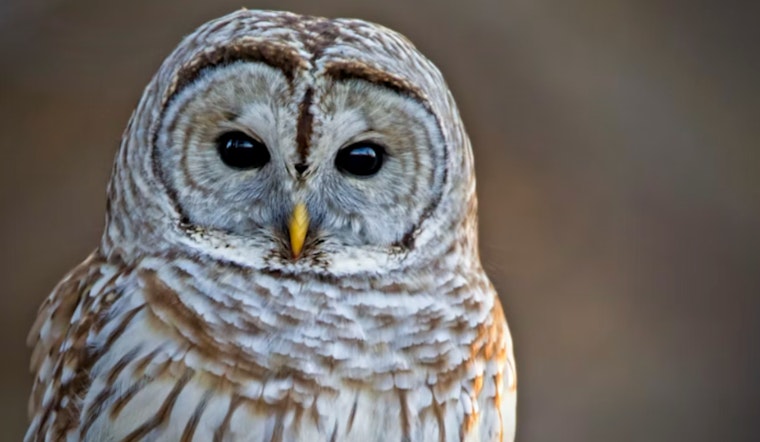
Barred owls in Tacoma's Point Defiance Park have been dive-bombing hikers and joggers this spring, with multiple visitors reporting low, silent swoops along the park's forested trails. The encounters are startling but, so far, largely non-injurious, more a case of territorial defense than predation, and have prompted people to swap safety tips about routes and gear. Regulars say the birds often perch low to the trail and make quick, close passes that look worse than they are, especially if you are not expecting a set of talons zipping past your head.
As reported by The News Tribune, a Facebook post and eyewitness accounts describe a barred owl swooping at people along Five Mile Drive's outer loop, and observers urged extra caution while the birds are nesting. The piece quoted local watchers, including Alex Holmes, recommending that joggers wear hats for extra protection, and identified barred owls as the species most often responsible for the swoops. One observer told the paper the birds often perch roughly 10 to 20 feet above trails before making short, startling flights at anyone who wanders too close.
A Washington Trails Association trip report from Feb. 26 recounts a runner who felt a "little love tap" on the head on the North-South trail between the blue and yellow loops, illustrating that encounters have been happening for weeks. That entry suggests the bird may have been defending a nest or nearby fledglings. The recurring reports line up with a regional pattern of territorial behavior during early spring, when owls tend to treat busy trails as extensions of their front yard.
Why Owls Swoop In Spring
Barred owls pair up and begin courtship in late winter, and egg laying typically starts in March and runs through April, which makes adults more likely to guard nest sites and young. The Cornell Lab of Ornithology's All About Birds notes that Barred Owls are territorial during the breeding season and that their stealthy flight and sudden passes can surprise people on trails. Those defensive behaviors, while unnerving, are part of the species' normal lifecycle and usually ease once fledglings disperse and the parents relax their guard.
How To Stay Safe On Trails
To reduce chances of a confrontation, keep dogs on short leashes, avoid lingering under low branches during dawn and dusk, wear a brimmed hat or carry a stick, and vary your route if a bird repeatedly appears on your path. The Washington Department of Fish & Wildlife advises giving owls space and not attempting to handle or harass them, and says changing routines is often enough to avoid conflicts. If an owl persistently endangers people or pets, report the location and times to park staff or local non-emergency authorities so it can be monitored.
Locals say a little awareness goes a long way: check recent trail reports before you head out, stay aware of canopy cover, and treat owls as wildlife to admire from a distance rather than animals to confront. Visitors who see repeated aggressive behavior are encouraged to note the precise location and time and pass that information to Metro Parks Tacoma so staff can decide whether signage or extra monitoring is needed.





