

























































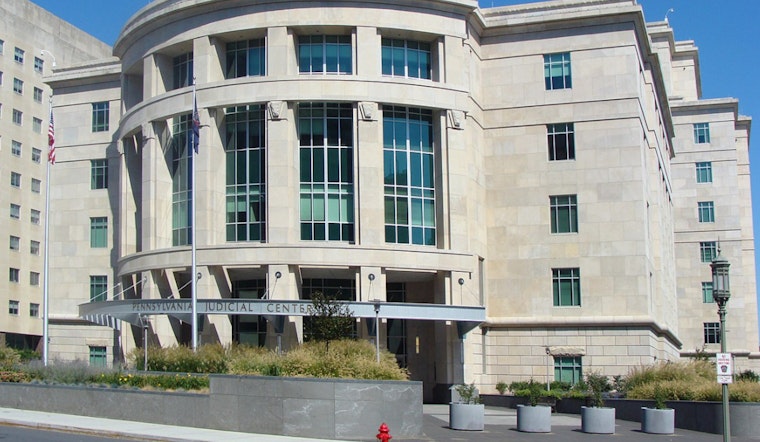
Pennsylvania’s long-running fight over public funding for abortion care took a sharp turn on Monday, when the Commonwealth Court struck down the state’s decades-old ban on using Medicaid to pay for most abortions. In a 4-3 decision, the court said the restriction is unconstitutional, recognized a state-level right to reproductive autonomy, and immediately shifted who can get abortion care covered by public insurance. Clinics and advocates say the ruling knocks down a major financial barrier that has blocked many low-income patients across the commonwealth from getting timely care.
Inside the 4-3 Commonwealth Court Ruling
Writing for the majority, Judge Matthew S. Wolf framed the decision as a constitutional safeguard against government “attempts to coerce reproductive choice,” according to the Philadelphia Inquirer. The closely split panel produced a forceful dissent from Judge Patricia McCullough, who argued the majority moved too quickly on an issue she described as having sweeping public importance. Clinic lawyers, meanwhile, cast the outcome as a landmark win for patients who rely on public coverage to access reproductive-health services.
Why the Medicaid Ban Fell
The court zeroed in on the state’s long-standing policy that allowed Medicaid to fund prenatal care and childbirth while cutting off coverage for most abortions. That coverage exclusion, the judges concluded, amounted to sex-based discrimination that could not survive heightened constitutional scrutiny, according to Bloomberg Law. Judge Wolf wrote that the state had not shown the exclusion advanced a compelling interest any more effectively than other investments Pennsylvania already makes in maternal and infant health.
The decision rests on a legal path cleared earlier this year. In January 2024, a Pennsylvania Supreme Court plurality revived an Equal Rights Amendment challenge to the Medicaid abortion funding ban and sent the dispute back to the Commonwealth Court for review under a stricter standard, as reflected in the high court’s record. Monday’s ruling is the direct product of that order and the more demanding test it required.
What Happens Next
The legal wrangling is far from over. The ban was defended in court by the Republican attorney general, who is widely expected to seek further review. Gov. Josh Shapiro had previously declined to defend the law and instead urged that it be struck down; he responded to the ruling in an official statement and social media posts, according to the Governor's Office and WGAL. The case is widely expected to make its way back to the Pennsylvania Supreme Court, where that 2024 plurality opinion has already reshaped how challenges under the state Equal Rights Amendment are analyzed.
What It Means on the Ground
Clinics in Pittsburgh, Philadelphia and other communities that see large numbers of Medicaid patients have long argued that the funding exclusion forces people to delay procedures or scramble to pay out of pocket. Reproductive-health providers and local reporters say the new ruling is poised to make abortion care more affordable for many Medicaid enrollees, especially in western Pennsylvania, where clinics often serve patients traveling long distances for services, according to PublicSource and materials from the Women's Law Project. Advocates also note that the policy change is likely to disproportionately benefit people of color and rural residents, who are more likely to depend on Medicaid coverage.
The Bigger Legal Picture
If the Pennsylvania Supreme Court ultimately upholds Monday’s ruling, the commonwealth would join a smaller group of states that permit Medicaid to cover abortion care. That outcome could spur lawmakers to revisit the nuts and bolts of funding mechanisms and conscience protections in the state’s health programs. More broadly, the case underscores how the Pennsylvania Equal Rights Amendment and related equal-protection provisions have become central tools for challenging abortion restrictions at the state level, a trajectory set in motion by the Supreme Court’s 2024 order and the court records and briefs that followed.





