

























































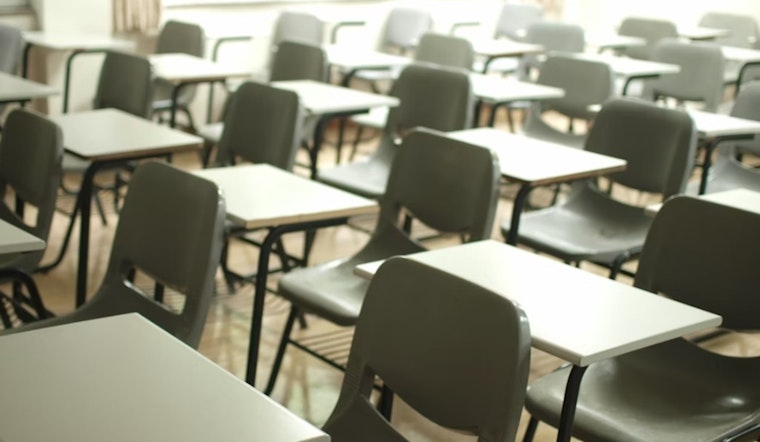
Classrooms across Hillsborough County are getting crowded, and families say you do not need a spreadsheet to see it. Teachers are juggling more students, lesson plans are getting reworked on the fly, and the mood on campus feels a little more frantic than usual. District leaders say it is not one leaky pipe that can be patched, but a systemic squeeze tied to aging buildings, lopsided population growth and money that only stretches so far.
According to the Tampa Bay Times, Hillsborough has more schools over Florida's state-mandated class-size limits than any other district in the Tampa Bay region. A data review by the paper found dozens of campuses with classroom counts above the cap, and district leaders say this is not a problem confined to one side of town.
What the law requires
Under rules from the Florida Department of Education, core classes are supposed to top out at 18 students in kindergarten through grade 3, 22 students in grades 4 through 8 and 25 students in high school courses. The agency also spells out temporary flexibilities that districts can use to stay afloat, such as redrawing attendance zones, tweaking schedules or steering some students into virtual options.
Beginning in the 2023-24 fiscal year, the state stopped issuing automatic financial penalties for districts that are over the caps. Instead, any district that falls out of compliance must submit a school board-certified class-size compliance plan that explains how it will get back within the legal limits.
Why Hillsborough is strained
Hillsborough's capacity crunch did not suddenly arrive with this school year. District officials have told reporters that years of shifting enrollment, budget pressures and uneven neighborhood growth have left some schools packed while others have empty seats and fewer resources. Matching students to space has become a tricky game of musical chairs.
In a separate report last year, the Tampa Bay Times detailed an $18 million budget shortfall that district leaders linked to enrollment changes and state funding issues. That financial backdrop makes it tougher to add teachers, build new classrooms or overhaul campuses in ways that might ease the pressure.
Options on the table
On paper, districts have a menu of legal moves they can make. They can hire adjunct educators, put students on year-round calendars, bring in portable classrooms or shuffle schedules to spread students out. The Florida Department of Education lists these and other strategies as tools districts can use while they work their way back into full compliance with class-size law.
In practice, every option has a cost. Portables take money and space. Year-round calendars complicate family schedules. Hiring extra staff is tough when budgets are already tight. District leaders say there is no single move that fixes everything at once.
What it means for families and teachers
Hillsborough County Public Schools serves roughly 218,000 students spread across more than 233 K-12 sites, according to the district's own figures. That scale means even modest enrollment shifts can send ripple effects through dozens of schools at a time.
Parents and teachers who spoke with local reporters say larger classes translate into less one-on-one attention for students and more prep work for educators. Grading piles up, small-group instruction gets harder to pull off and classroom management becomes a bigger part of the job. District leaders say any long-term fix will require focused funding plus time to build or reconfigure space.
For now, everyone is watching a few key pressure points. The school board will have to decide which capital projects move to the front of the line, whether to roll out more temporary classrooms and how future state enrollment counts might change the math. Local officials are already warning that the solutions are likely to be gradual rather than dramatic, with plenty of debate still to come at school board meetings as plans take shape.



