

























































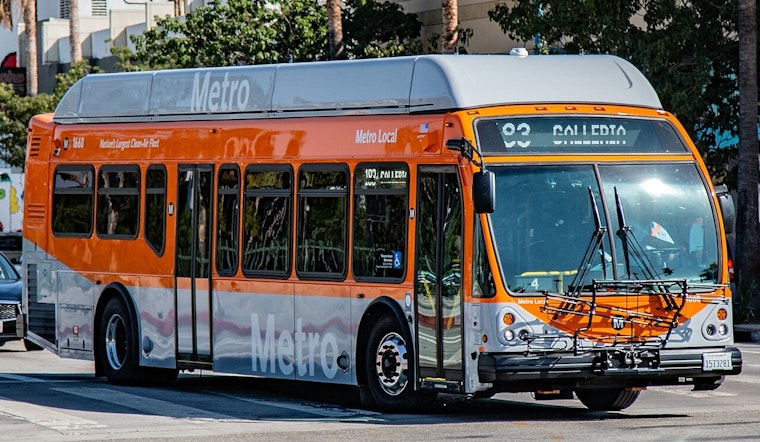
Construction crews have officially kicked off work on Metro’s long‑planned North Hollywood to Pasadena Bus Rapid Transit line, with the first boots and backhoes hitting the ground in Pasadena. The 19‑mile project is moving out of the design phase and into real‑world disruption, promising faster crosstown service on zero‑emission buses while neighbors brace for lane reductions, parking changes and plenty of construction noise over the next year or more.
What Metro Plans To Build
According to Metro, the NoHo to Pasadena BRT will feature 22 upgraded stations over roughly 19 miles, served by zero‑emission buses running in dedicated lanes with transit signal priority and all‑door boarding. The agency’s public project page notes that pre‑construction utility surveys began in summer 2025, with construction activity set to ramp up in 2026. Metro is currently targeting a completion window in the 2028 timeframe.
Where Work Has Started
Early activity is showing up first in Pasadena, where the city has posted construction notices and crews are now on site, as reported by Urbanize LA. This follows months of Metro community outreach and earlier utility locating. City staff say residents will receive advance notices before any major lane changes hit their block. For now the work is mostly behind‑the‑scenes prep: potholing and utility mapping that will guide later pavement and curb construction.
Behind The Numbers
Slides from a February 2026 Metro community presentation show the NoHo to Pasadena BRT programmed with about $317 million from Measure M and state SB1 funds, with a forecast of roughly 30,000 daily riders, according to Metro. The same materials tout substantial travel‑time savings, with some examples hovering around 40 percent, plus proposed peak frequencies of about every 10 minutes that Metro says should make cross‑valley transit trips far more competitive with driving.
Where The Bus Lanes Will Go
Design plans call for a mix of center‑median, curb and side‑running bus lanes along the corridor. Major stretches are slated for Vineland in North Hollywood, Olive and Glenoaks in Burbank, Central and Broadway in Glendale, and Colorado Boulevard through Eagle Rock, as detailed by Urbanize LA. In curb‑running segments, some street parking will be removed to carve out space for the bus lanes. Local crews will study access needs and safety conditions before they finalize striping and lane layouts.
Local Reaction And Meetings
The project has not exactly cruised to the station on a wave of unanimous praise. Parts of the route have seen vocal opposition, including fights over Colorado Boulevard bus lanes and organized resistance in neighborhoods such as Eagle Rock. Streetsblog Los Angeles has chronicled earlier legal challenges and community tensions along the line. Meanwhile, cities on the corridor are still hosting public meetings: municipalities like Burbank are holding open houses and briefings to walk residents through construction sequencing and traffic impacts, according to the City of Burbank. For those who cannot attend, Metro is posting recorded presentations and design materials online.
What To Expect On The Street
As construction advances, neighbors along the corridor can expect a familiar menu of big‑project side effects: noise, short‑term detours, periodic lane reductions and sidewalk adjustments while crews relocate utilities and pour new bus lanes. Cities say emergency‑vehicle access will remain open throughout the work. Metro’s Eat Shop Play mitigation program will provide marketing and business support to merchants affected by the project, according to Eat Shop Play. Local public works departments will coordinate permits, signage and advance notifications for blocks that are about to see active construction. Residents who rely on curbside parking near planned segments are being urged to watch for posted restrictions and pre‑work notices from their city.
For the next year or so, the corridor will be a trade‑off: short‑term dust, detours and disruptions in exchange for a long‑term transit upgrade. Metro and the four cities along the route say the project will cut cross‑valley travel times and add a reliable east‑west option, as construction progresses in phases through different segments. Expect a steady stream of localized notices and community briefings as the work moves from one neighborhood to the next.





.jpg)