

























































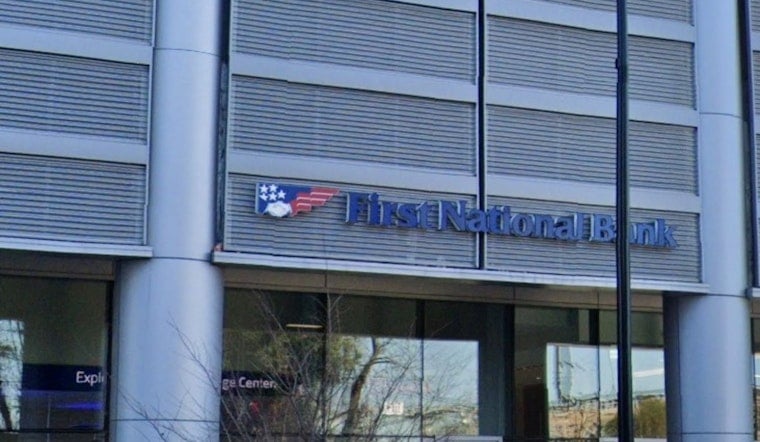
What started as a slow-burn controversy at First National Bank of Pasco has flared into a full-blown mess of federal oversight, shareholder fights and whistleblower claims. The Dade City community bank, a longtime lender to small businesses across eastern Pasco County, is now juggling questions about anti-money-laundering controls, its fintech partnerships and how closely its board has been minding the store, all while regulators and plaintiffs' lawyers pore over its every move.
Regulator Flags Deep Compliance Gaps In Formal Agreement
On Oct. 16, 2025 the Office of the Comptroller of the Currency entered a Formal Agreement with First National Bank of Pasco citing "unsafe or unsound practices" and directing the bank to fix problems across governance, capital planning and BSA/AML controls. The order called out weaknesses in suspicious-activity reporting and due diligence for correspondent accounts and set deadlines for the bank to prove it has cleaned things up. The agreement and its requirements are publicly posted by the OCC, according to the Office of the Comptroller of the Currency.
Shareholder Suit Targets Cannabis Banking Oversight
Just weeks later, on Oct. 31, 2025, DEF Trading LLC sued the bank, alleging that First National's handling of cannabis-related payments and its oversight failures left the institution exposed to regulatory sanctions and financial losses. The suit names Florida Bancshares and multiple directors and seeks more than $3 million in damages, according to the public docket.
The filing, and follow-up reporting about frozen merchant funds and ties to payment processors, is laid out in the court record at Justia Dockets and has also drawn coverage from CRB Monitor News.
Former Executives Say They Were Punished For Speaking Up
Adding to the turmoil, three former senior executives have filed their own suits claiming they were pushed out after sounding alarms about risky fintech exposure and breakdowns in compliance. The bank has pushed back in court, arguing the departures were for cause and disputing the whistleblowers' narrative, according to Law360. Those cases are still in the early stages in federal court, with initial motions and scheduling orders pending.
Frozen Payments And Fintech Fights Pile On More Cases
The court battles do not stop there. Other litigation has sprung from frozen payments tied to cannabis merchants and clashes with payment processors. Merchant suits over withheld funds, along with a Payment Solutions International case involving U.S. Alliance Group and PaySol, have added new layers to the legal tangle and already prompted at least one mediation referral.
Those dockets and filings are available on Pacermonitor, and the disputes have also been chronicled by CRB Monitor News.
Why This Fight Reaches Beyond Pasco
The Pasco case is unfolding against a broader shift in federal expectations. Regulators have been tightening AML rules for banks that serve cannabis businesses or act as sponsor banks for fintechs, and the OCC's action here tracks a wider enforcement trend that legal analysts have been flagging. That backdrop is outlined in recent regulatory analysis from WilmerHale.
For local customers and merchants, the fallout is likely to be more practical than abstract: longer holds on deposits, tougher onboarding reviews at other banks and fresh uncertainty around access to payment rails.
What To Watch Next
All eyes now turn to the court calendars. Observers are watching for dispositive motions, new scheduling orders and any moves by shareholders to shake up the board as the DEF Trading case and the former executives' suits work their way forward. The recent wave of filings, and how the OCC action helped trigger investor litigation, has been summarized by the Tampa Bay Business Journal.
Bank representatives did not immediately respond to requests for comment in that prior coverage.
Legal Stakes For The Bank
The OCC Formal Agreement gives regulators strong leverage if the bank misses its remediation milestones, including the ability to press for governance and compliance changes. At the same time, the overlapping civil suits raise the prospect of drawn-out legal expenses and lasting reputational fallout.
According to the Office of the Comptroller of the Currency's public materials, the bank's best route back to business as usual runs through fast, verifiable fixes to its AML program and steady, cooperative engagement with its regulators.





